What is seed collection?
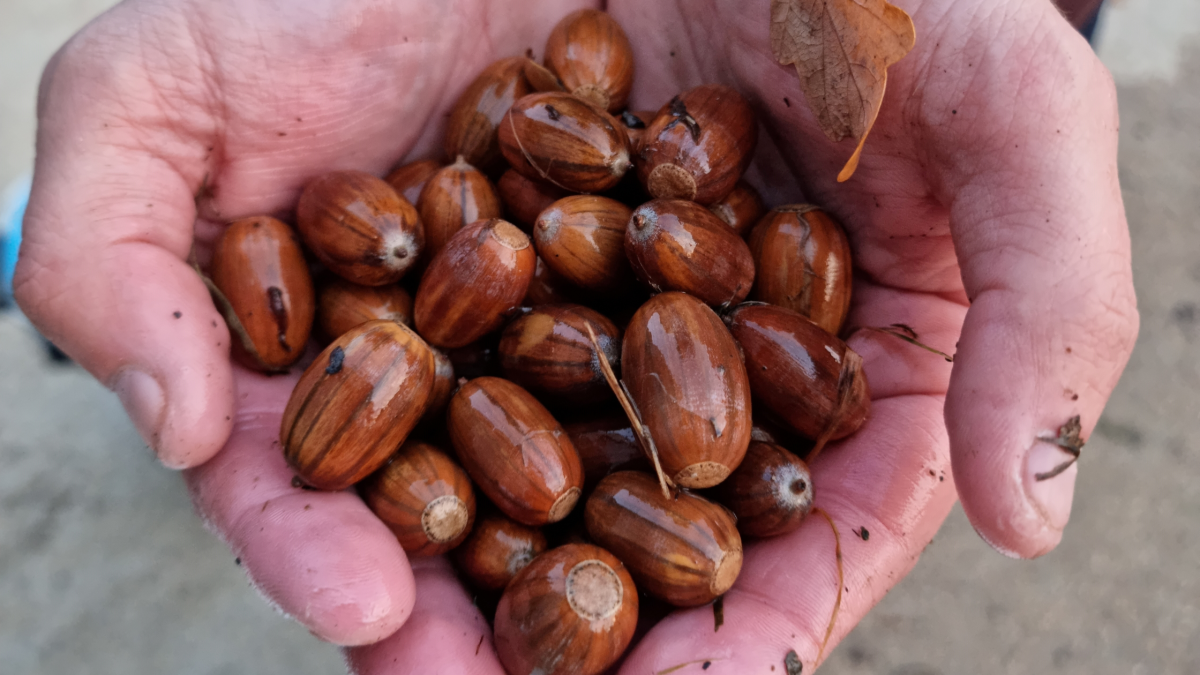
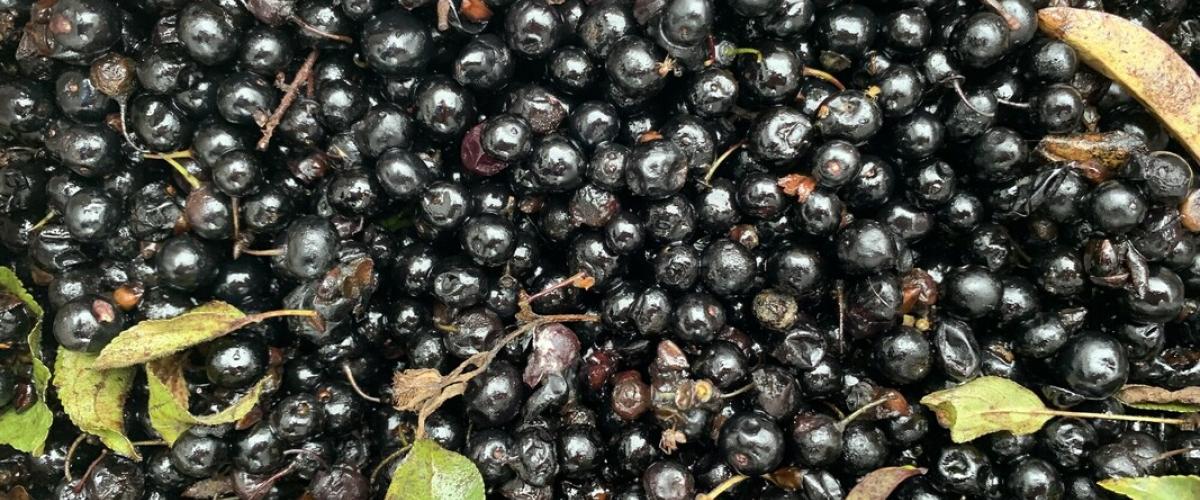
Each year, seeds and fruits are collected from specially selected populations of healthy and resilient trees across the Forest. We collect from no more than 50% of the trees to ensure wildlife has sufficient food for winter. These seeds are nurtured in our tree nursery until they are ready to be planted, becoming the next generation of native broadleaf and hedgerow species that contribute to the growth of the Forest.
By collecting seeds from various sites across the Forest we promote genetic diversity, and by using seeds from local populations we develop seed lines well adapted to the local environment.
Seed collecting plays a vital role in ensuring that our new trees are resilient and well-suited to withstand future challenges such as climate change.
What to expect on the day
Arrival and briefing
You'll be asked to arrive by 9:30am at the designated meeting point where you will be directed where to park. You will meet the staff member leading the activity along with the other volunteers. On rare occasions, volunteers may be transported by a staff member from the car park to the work site using a vehicle if necessary.
Tools and equipment
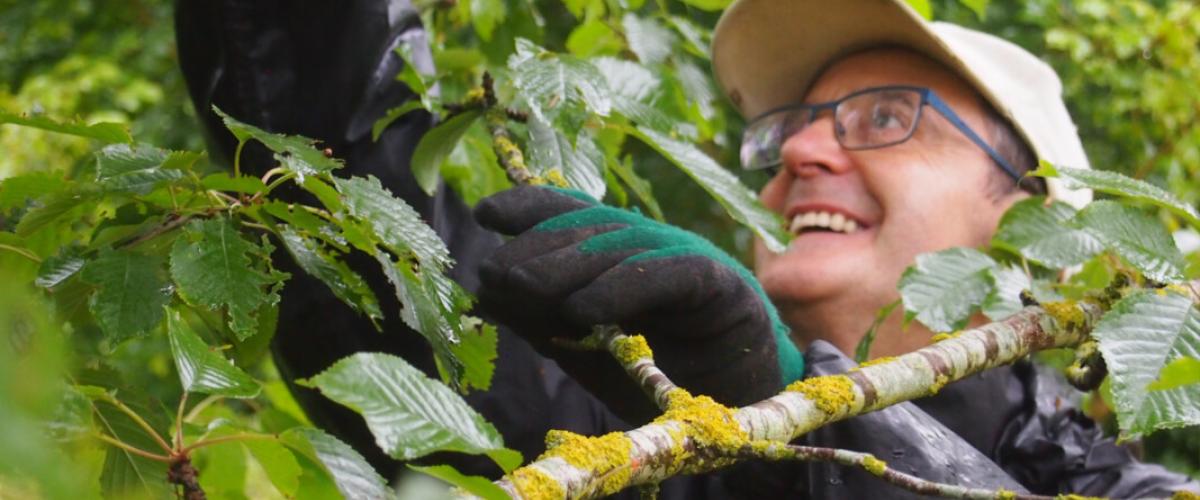
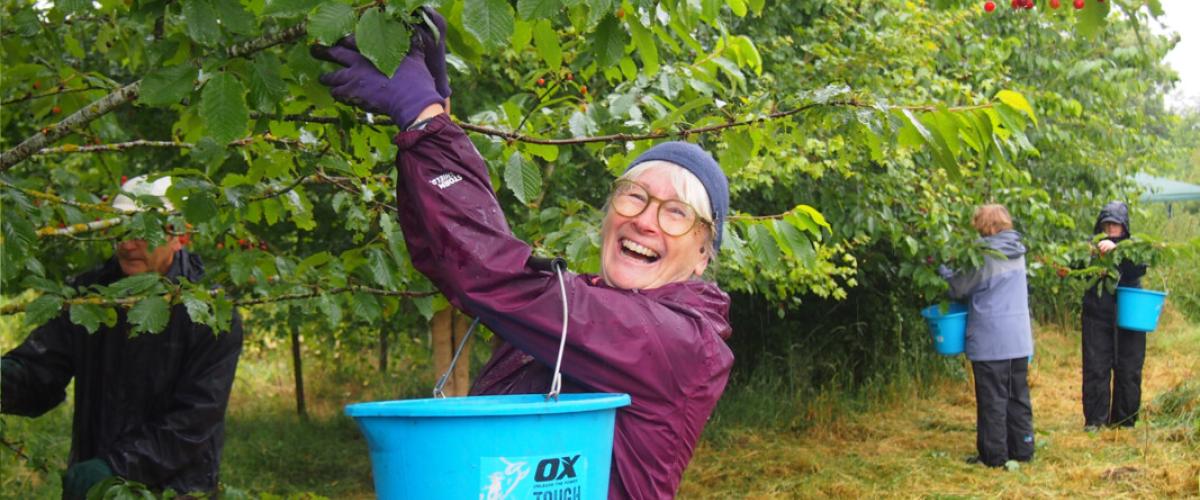
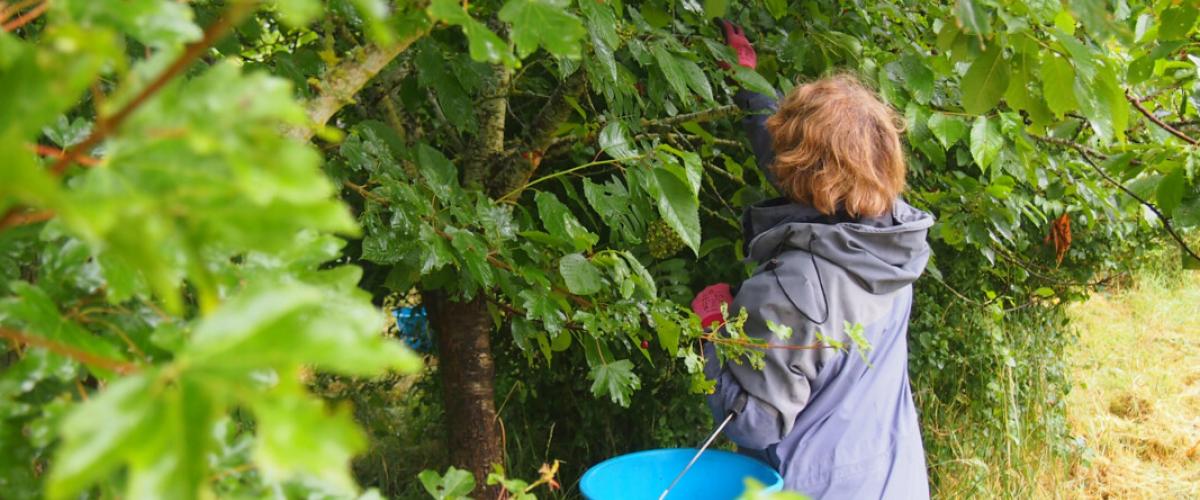
Once assembled, all tools and equipment for seed collection will be distributed to volunteers, and the group will walk to the work site together. Tools will include a bucket for seeds, a telescopic pole for lowering branches, and secateurs. Optional Personal Protective Equipment (PPE) such as goggles will be available.
Training and demonstration
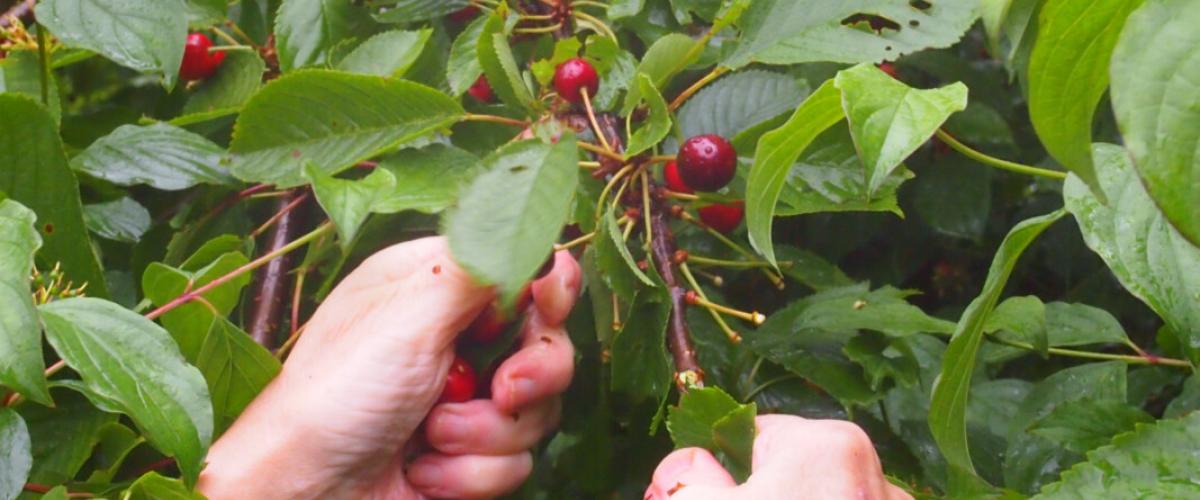
Before beginning, the staff member will provide a briefing on tool use and health and safety procedures. No prior experience is necessary as full training will be given and a member of staff will always be around to answer questions and provide support. The demonstration will cover various methods of seed collection, including handpicking, collecting from the ground, cutting clusters of seeds/fruits, and shaking branches to release seeds. Instructions on where to collect seeds from on the tree or shrub and how to handle them will also be given.
Seed collection
Volunteers will receive instructions on the designated area and seed collection will commence. Volunteers will collect seeds using the methods demonstrated, working as a group.
Break
At around 11am, the group will pause for a coffee break. Tea, coffee, and biscuits will be provided, but volunteers are welcome to bring additional snacks. A hand-washing station will be available, or you may bring your own hand sanitiser or wipes. The break lasts 10-15 minutes.
Continuation and wrap-up
After the break, seed collection will continue until the activity concludes at around midday. Once all tools and personal items are gathered, the group will walk back to the car park/meeting point.
Further information
Work site
The distance to the work site can vary, typically between a few minutes to a 15-20 minute walk from the car park. Minimal tools and equipment are required for transport to the work site.
Activity requirements
Some bending, stretching, or walking through undergrowth may be required. Seeds are generally collected from trees and bushes on the plantation edges, but occasionally undergrowth may need to be navigated. Participants should be aware of potential exposure to seeds and pollen, which may aggravate hay fever or allergies.
Hand tool use
Limited hand tools are required, though buckets may become heavy as more seeds are collected. A telescopic pole may be needed to reach higher branches, requiring a bit more energy.
Species of trees in the Forest
July: Wild cherry, bird cherry
August: Silver birch, rowan
September: Whitebeam, buckthorn, alder, hazel, blackthorn, dogwood, sycamore
October: Wayfaring, spindle, privet, guelder rose, field maple, small-leaved lime, oak, sweet chestnut, wild service, hawthorn
November: Holly, hornbeam