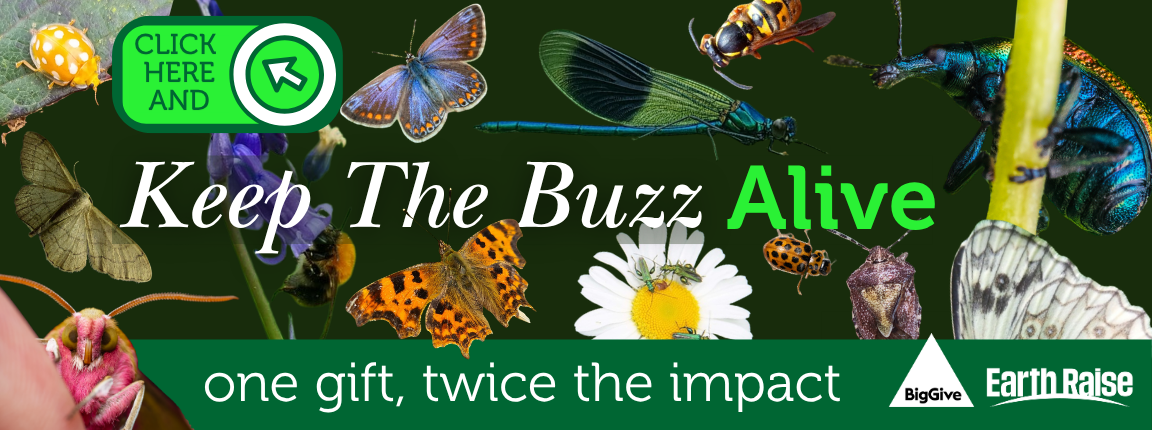
Will you make double the difference?
This week, your donation is worth twice as much. Donations through our Big Give Earth Raise campaign page during campaign week will be matched by our Big Give champion, making your generosity worth twice as much.
With your help
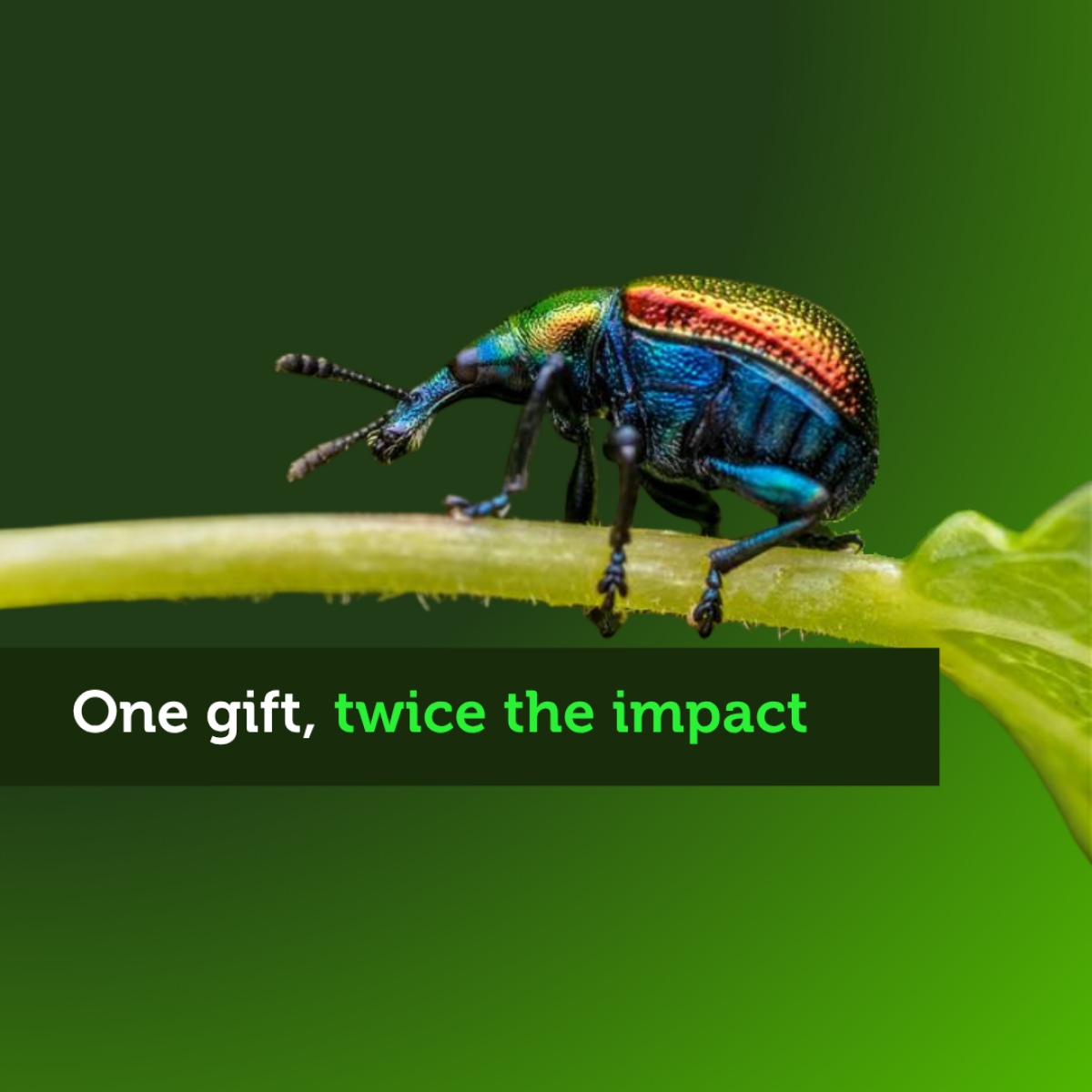
The Forest can be harnessed to provide wildflower havens for pollinators: rich woodlands, beautiful meadows, and buzzing hedgerows.
Pollinators are under pressure , and you can make a mighty impact.
Pollinators are under pressure , and you can make a mighty impact.
Bees and butterflies are so small, would you miss them if they were gone?
These small creatures make a big difference. One in every three mouthfuls of food we eat, and 84% of our crops, depend on pollination.
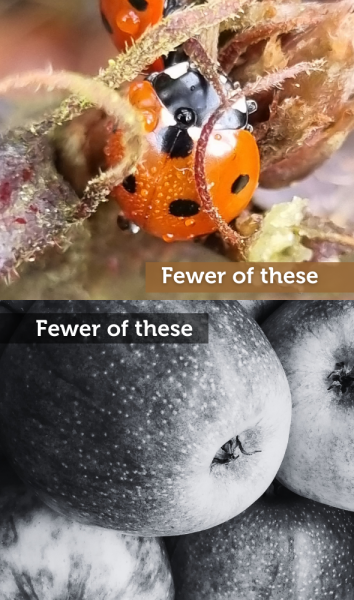
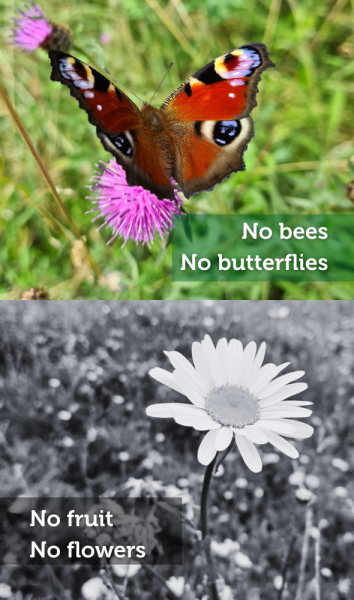
Without pollinators, there would be no fruit and vegetables, nor the flowers and plants that create our beautiful green landscapes.
There has been a 22% decline in pollinators since the 1970s.
What we do: Protect newly created pathways of carefully selected native plants that provide nutrition, shelter, and corridors for travel for a variety of insects. Mowing is timed to account for seeding and optimal sun/shade, then nutrient-rich debris is removed as wildflowers thrive in poor soil.
What we do: Protect newly created pathways of carefully selected native plants that provide nutrition, shelter, and corridors for travel for a variety of insects. Mowing is timed to account for seeding and optimal sun/shade, then nutrient-rich debris is removed as wildflowers thrive in poor soil.
- £20 could cover the cost of 2kg of mixed grasses and pollinator wildflower seed
- £55 could pay for a field kit for finding & monitoring pollinators across the Forest
- £100 could pay for a set of tools, including shears and saws, used in creating homes for pollinators
You can help to save these small but mighty treasures
Sadly, 71% of butterflies and 50% of native bumblebees are declining.
What we do: Manage habitats within the woodland. Clearing invasive and non-native plants and creating glades and scallops perfect for woodland wildflowers. The fall of sunlight on the ‘wavy’ edges of these spaces creates different microclimates throughout the day, improving these habitats for butterflies.
What we do: Manage habitats within the woodland. Clearing invasive and non-native plants and creating glades and scallops perfect for woodland wildflowers. The fall of sunlight on the ‘wavy’ edges of these spaces creates different microclimates throughout the day, improving these habitats for butterflies.
Small but Mighty
We all depend on these wonderful little creatures. But bees and butterflies are disappearing. Without help, their days are numbered. The gentle hum of springtime is getting quieter. We need to act now to:
- Create a woodland habitat mix that pollinators enjoy of short grasses, taller ‘herbs’, a scrub layer – alongside the high canopy of the woodland.
- Clear invasive and non-native plants to ensure the survival of these delicately balanced habitats.
- Maintain wildflower-rich grassland avenues that provide superhighways for pollinators.