Among the orchard trees: A living heritage for wildlife and people
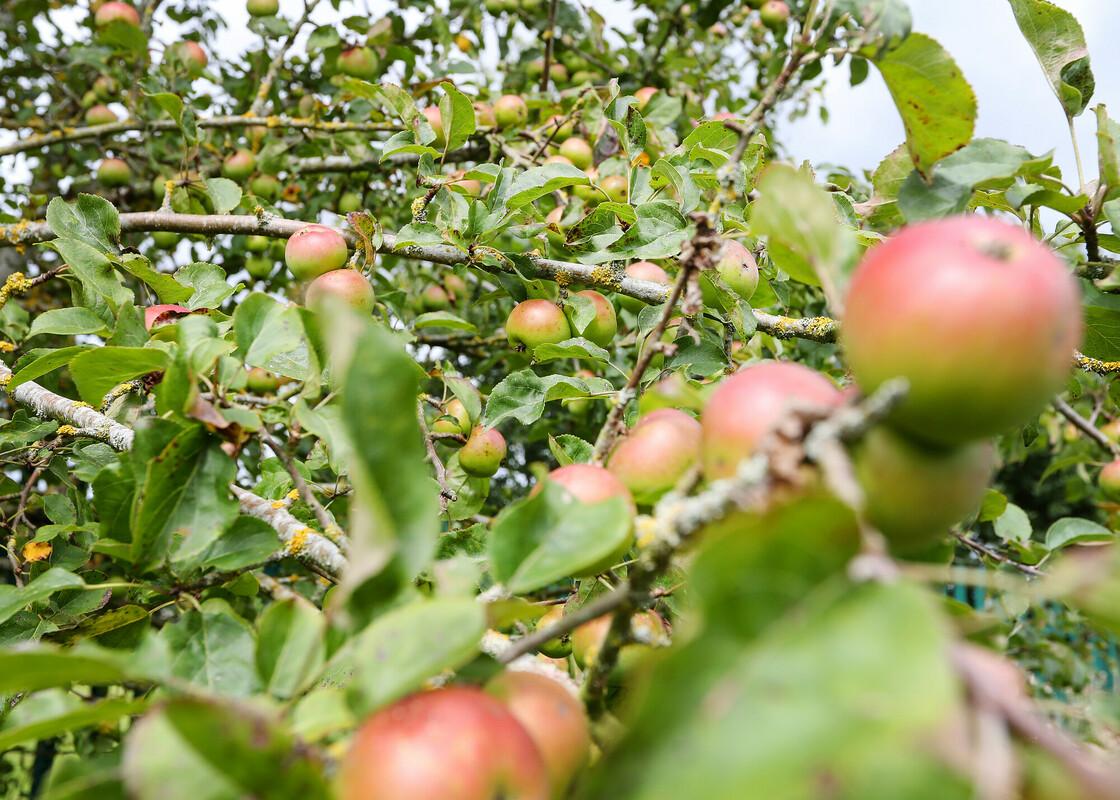
On entering the orchard, I feel a sense of calm wash over me, even though I know there’s a day of hard graft (pun intended) ahead. It’s similar to the feeling that many of us get on entering woodland. There is a stillness, a sensory connection with the rhythm of the seasons. The hum of insects feeding on blossom, the smell of ripe fruit, the cooling shade of a large old apple tree. Added to this is the connection with our past, to this small piece of heritage left to us by those who originally planted the orchard, possibly centuries ago.
What is an orchard?
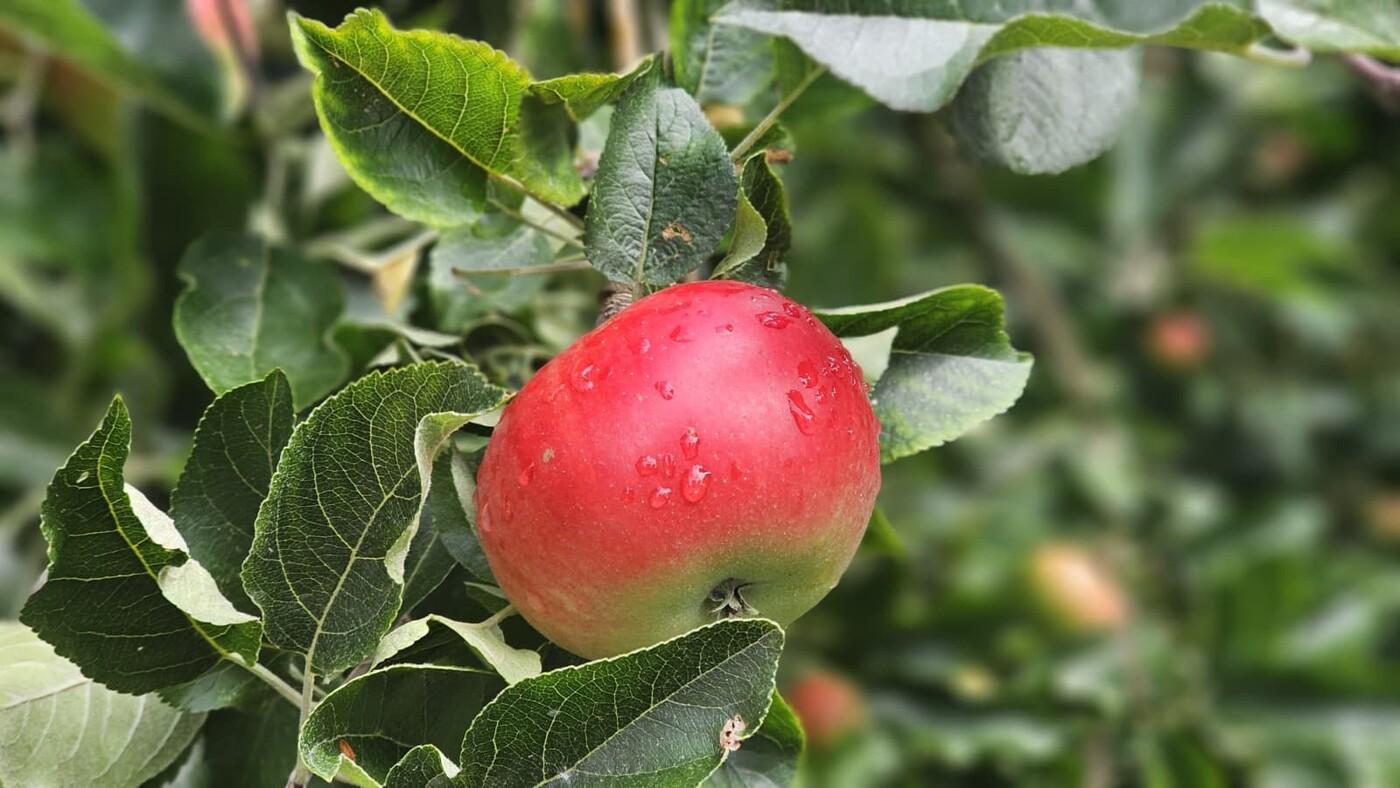
It’s important to make the distinction between commercial and traditional orchards. A commercial orchard tends to be rows of smaller fruit trees or bushes closely spaced for ease of care and harvesting. Great to meet the need of human consumers, but not so perfect for wildlife.
A traditional orchard is, as it sounds, managed using low intensity, traditional methods. Tree varieties are grafted onto more vigorous rootstocks meaning they will grow larger and live longer. This is important as these trees will eventually develop veteran tree features such as cavities, crevices, and dead wood. These are not only beneficial for larger species like birds and bats, but they are vital for saproxylic life. That’s all the invertebrates, fungi, and molluscs that feed and recycle dead wood. What’s great about fruit trees is they tend to develop these features quicker than many other tree species. In a charity that has a lot of young tree plantations, this helps to fill an ecological gap.
Having said all that, a traditional orchard is not just trees! It is also the species rich grassland, hedgerows, scrub, and ponds within them, all linking up in a way that becomes a biodiversity hotspot.
Orchards in the Heart of England Forest
So why orchards, aren’t you growing a forest?
Traditional orchards are habitat of principle importance (NERC Act, 2006) within the UK, meaning we have a duty to protect them. Many traditional orchards have declined due to lack of management and many more have disappeared altogether. As with hedgerows and hay meadows, traditional orchard habitat is man-made, but our wildlife has adapted to them over several centuries. The first written record of orchards in the UK was 1587! This means that we must manage them to maintain the biodiversity they support.
The Heart of England Forest estate covers a landscape that would once have been rich with traditional orchards. We inherited several traditional orchards from our founder and, judging by his poetry, it’s clear they were close to his heart. He restocked many of these with traditional tree varieties, and his beloved dog is buried under a bench in Old Manor orchard.
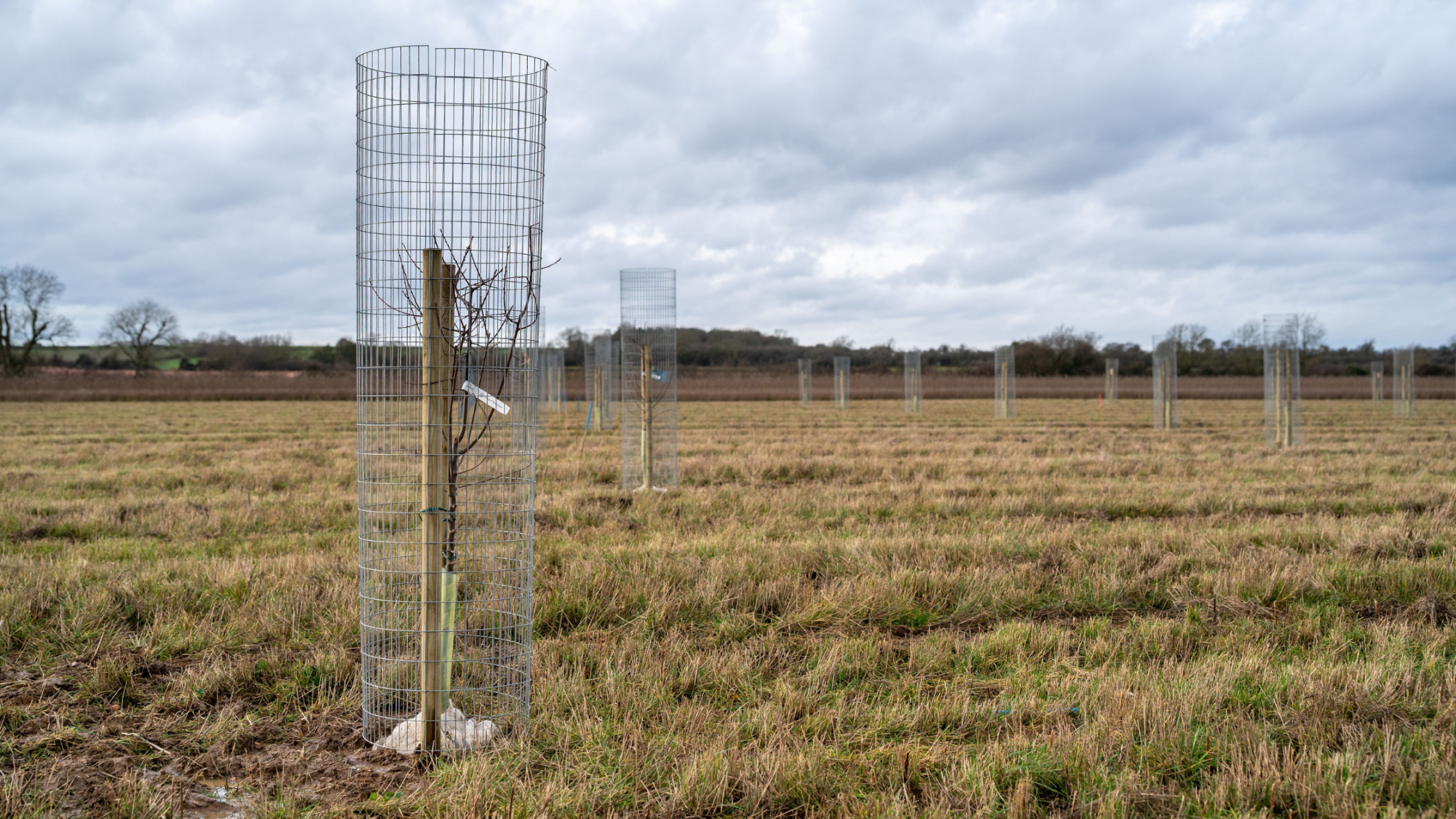
In a few areas, where planting woodland would not be appropriate, we have planted new orchards following traditional methods. This is an alternative way of increasing tree cover and the ecosystem services, such as carbon capture, that this offers. Some of these new orchards are linear, as with part of our newly planted Naunton Beauchamp orchard, providing corridors for nature and adding value to our hedgerows.
Overall, we have 15 orchards. As well as the usual apple, pear, and stone fruit species, we plant traditional fruits like quince and medlar. An increased variety of trees supports a greater range of species. They will all flower and fruit at slightly different times. This means a continued supply of food for pollinators and other species, including us!
We aim to plant a range of local varieties to add to the heritage and biodiversity value, and to conserve old varieties that are no longer commercially grown. In 2024, alongside Vale Landscape Heritage Trust, we planted the once lost Littleton Late Treacle Pear at our Sheriffs Lench orchard.
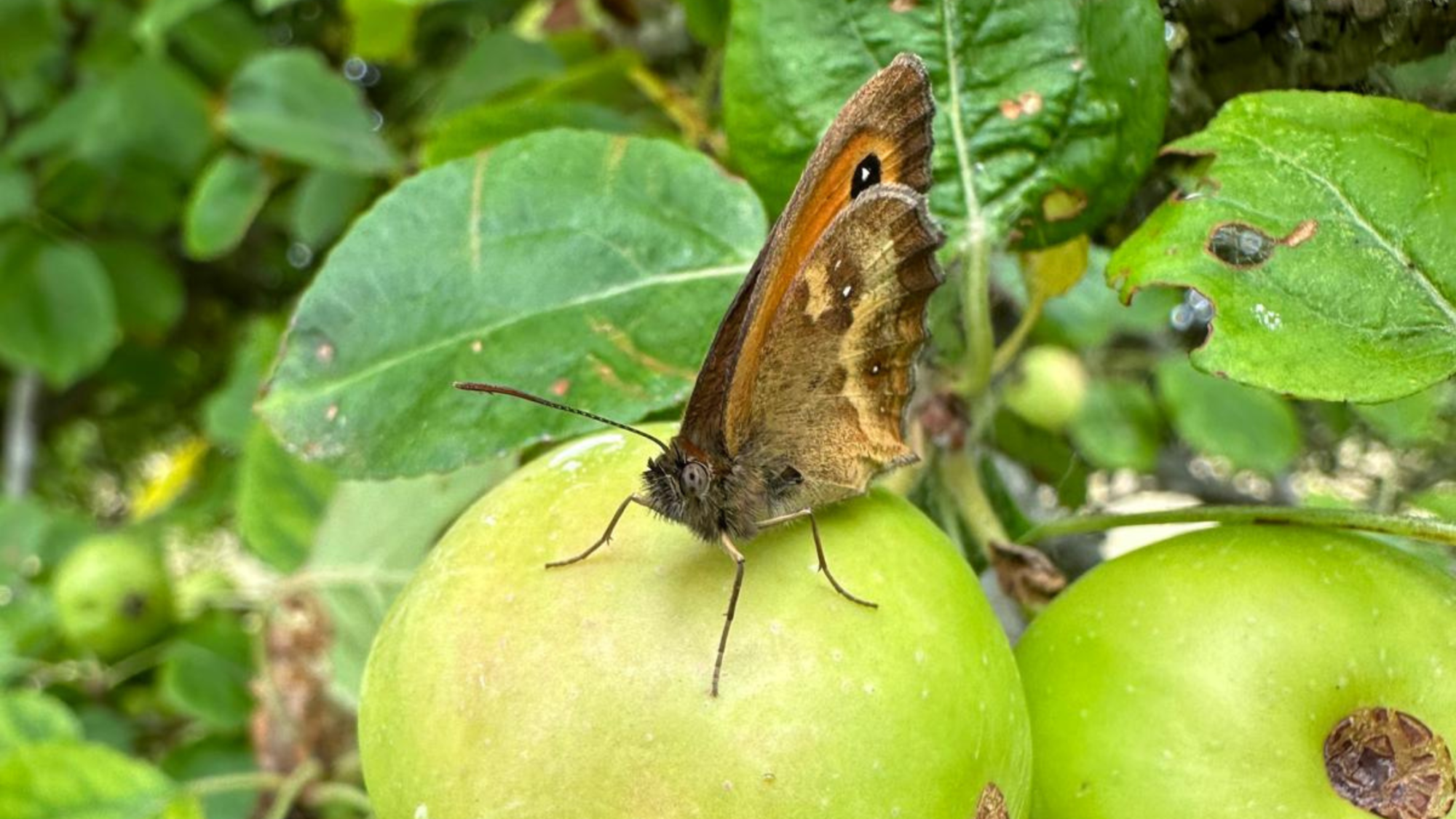
Orchard through the seasons
A year in the life of one of our orchards helps to demonstrate how over 1,800 species, including us, benefit from traditional orchards.
Spring - The blossom sequence begins in the hedgerows and spreads throughout the orchard. Damsons, pears, apples, and cherries unfurl petals in varying shades of white and pink, inviting in pollinators.
Summer - Wildflowers like ladies bedstraw, meadow sweet and tufted vetch add splashes of colour, they become the next vital nectar source as the tree flowers have started their transformation into fruit.
Autumn - Bracket fungi sprout from some of the veteran trees fed on by a pleasing fungus beetle. Fruit continues to ripen and becomes a valuable source of sugar as nectar and protein sources deplete.
Winter - A robin follows us as we prune the apple and pear trees. We do this to prolong the life of the tree. Allowing light and air into the tree canopy.
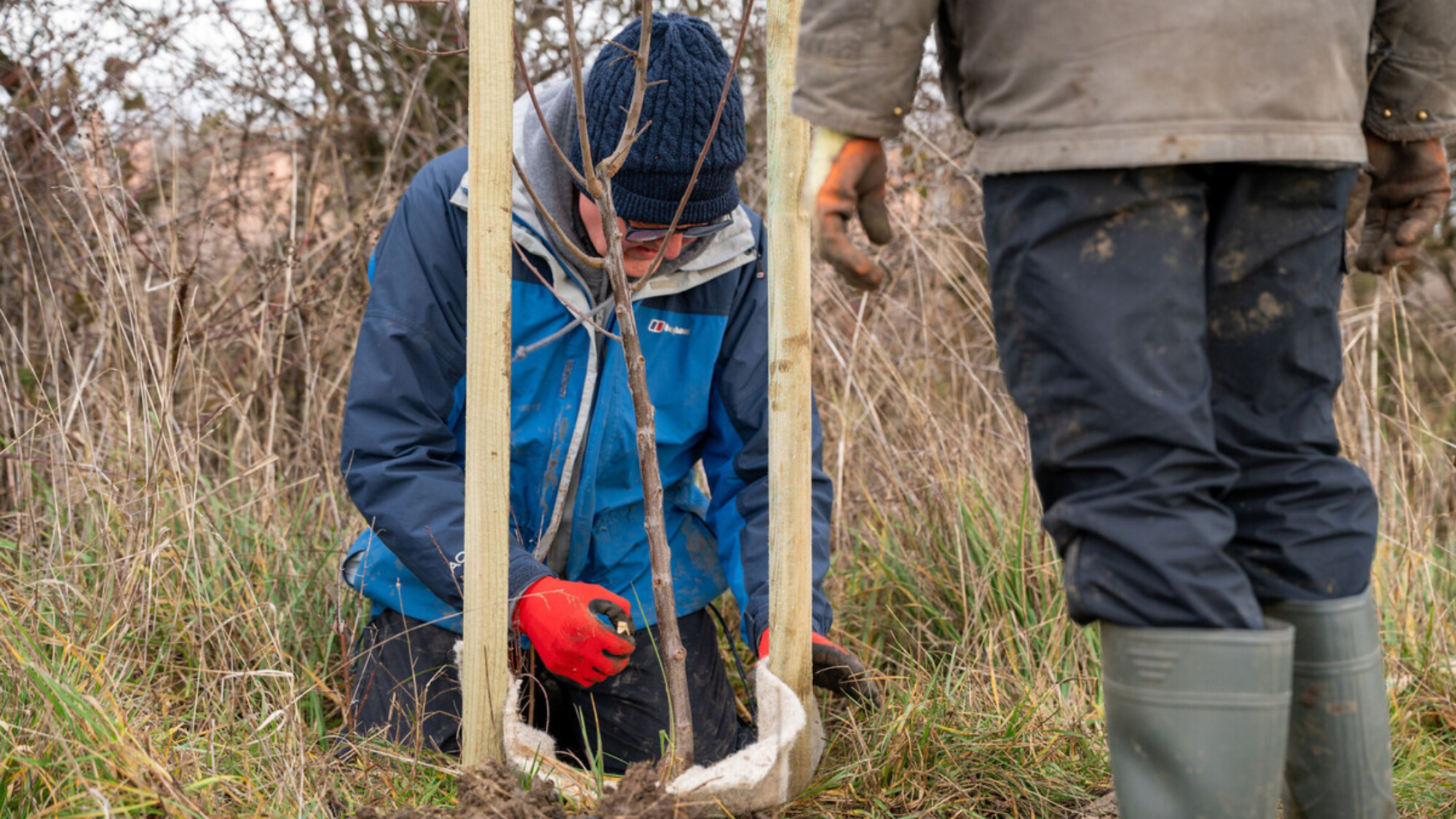
How to get involved
Don’t just read about our orchards, be part of their future. Join us as a volunteer and get hands-on experience restoring and caring for these incredible habitats. We hope to enhance this habitat for an increasing variety of species including the red listed metallic green noble chafer beetle and the sweet-smelling orchard tooth fungus that are reliant on the dead wood of fruit trees.
References and useful info
https://ptes.org/campaigns/traditional-orchard-project/
Natural Environment and Rural Communities Act 2006, c. 16. Available at: www.legislation.gov.uk.
Lush, M., Robertson, H. J., Alexander, K., Giavarini, E., Hewins, E., Melling, J., Stevenson, C. R., Storey, M. and Whitehead, P. F. Natural England Research Report NERR025: Biodiversity studies of six traditional orchards in England. Sheffield, Natural England.