Bees in trouble: What’s at stake and how you can help
Bees and other pollinators are quietly holding up the foundation of our ecosystems and food systems, yet their numbers are in troubling decline. We interviewed Entomologist Aaron Bhambra who shared his insights into the importance of bees, how local conservation efforts like those at the Heart of England Forest are making a difference, and how everyone, from gardeners to city dwellers, can take simple steps to support these vital creatures.
Q. Our bees and pollinators are in decline – why should we be worried about this?
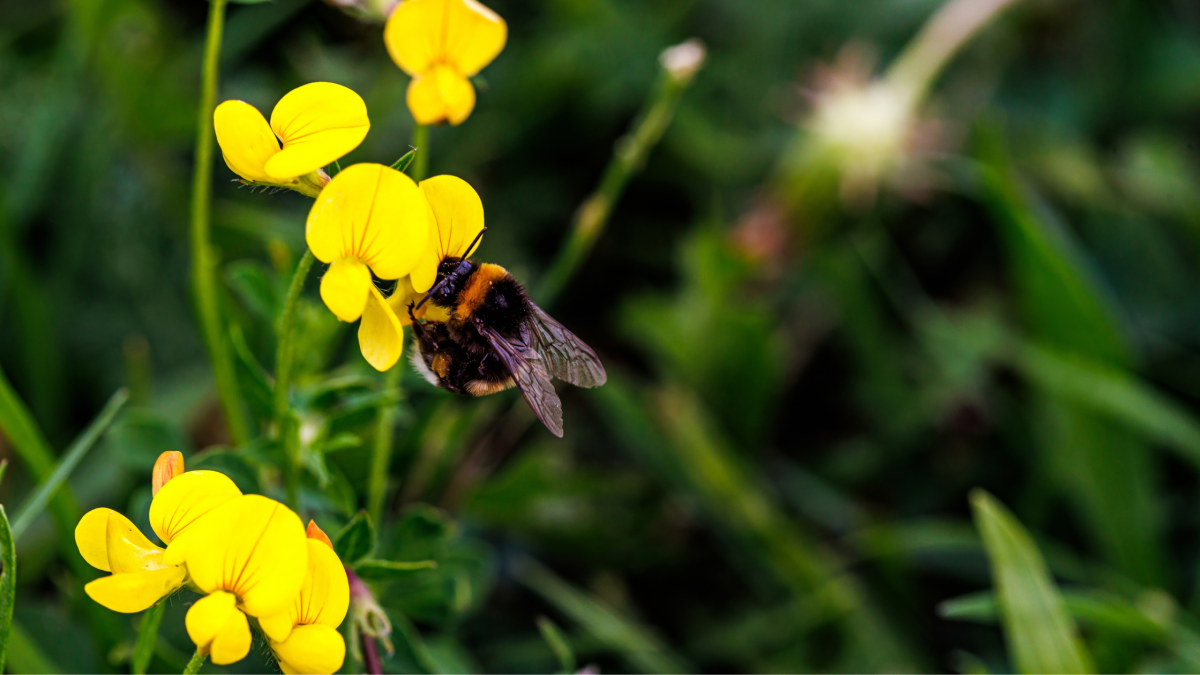
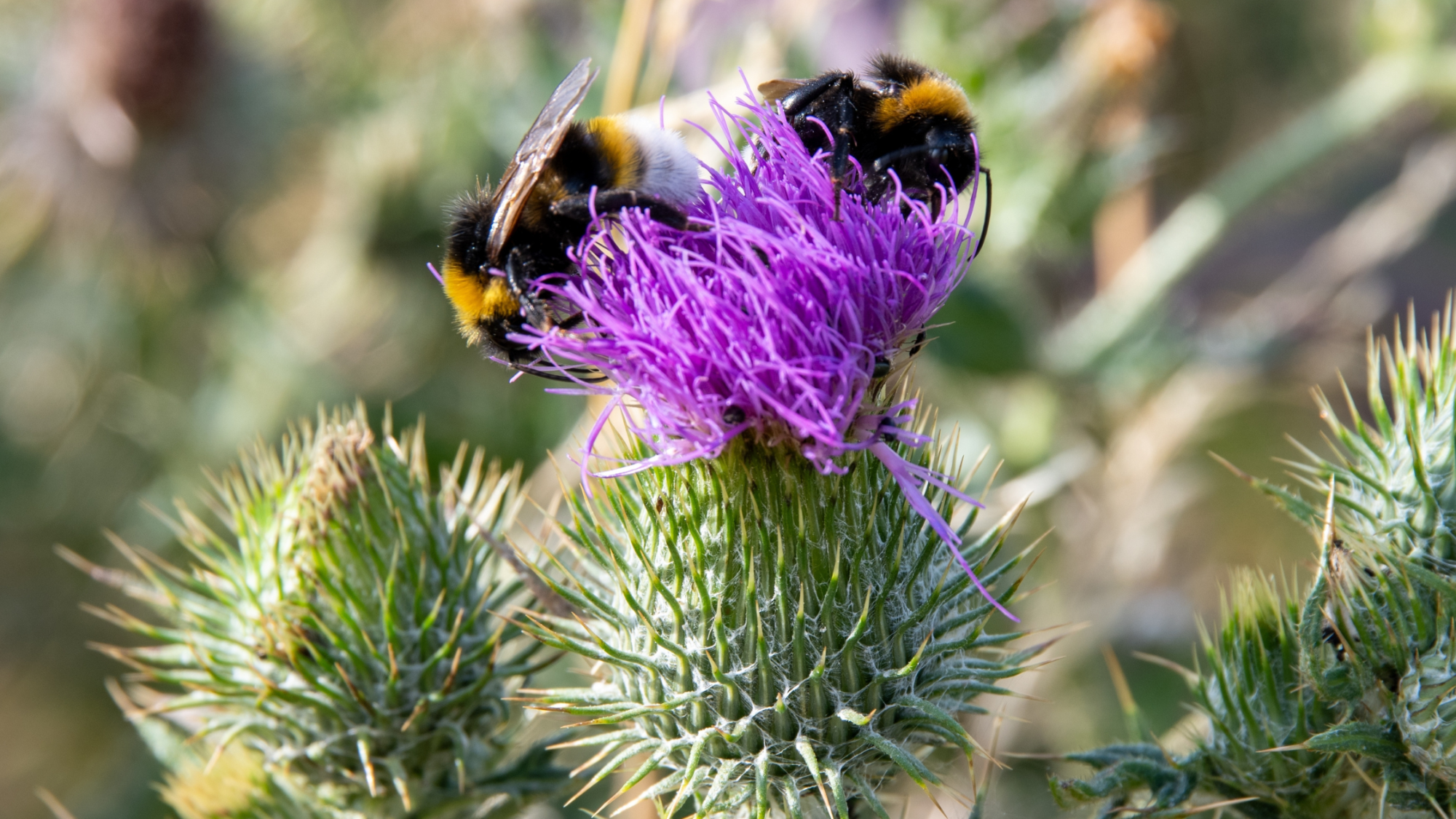
A. Bees and other flying insects, like flies, wasps, and beetles, are important pollinators of wild and managed ecosystems. They not only pollinate wildflowers, helping plants to produce seeds and berries for birds and mammals, but they are critical in supporting human food security, providing us with fruit and vegetables, and even supporting meat production through the pollination of fodder crops. Without them, our diets would be nutritionally poor, and our ecosystem would suffer.
Q. What made you get into bees?
A. I became interested in bees quite by accident whilst volunteering at an RSPB nature reserve near Birmingham. I was fascinated by the different colours, sizes, and shapes that these species come in and how little we know about the 270 species we have in Britain. So, I decided to start collecting and studying them, and now I'm completing my PhD on pollinators at the University of Birmingham.
Q. How is our work in the Forest helping bees?
A. The work at the Heart of England Forest is helping to conserve bees by improving management of micro-habitats at their sites, such as exposed sandy bare earth and heather, and also by inviting researchers like myself to study their sites, collecting valuable information about the distribution of species across the wider West Midlands region.
Q. If work like this doesn’t carry on, what will happen to the bees? What are the consequences of doing nothing?
A. If we don’t try to conserve bees and the habitats they depend on, we risk losing many species to urbanisation, agricultural intensification, climate change, and pollution. A significant proportion of the UK’s pollinator fauna is in decline and has restricted its range across the country. More work is needed to provide essential habitat to prevent these species from going locally, regionally, and in some cases, nationally extinct.
Q. What do you think is special about the work that the Heart of England Forest is doing?
A. The Heart of England Forest is taking sites that have long been mismanaged or undervalued and is reconverting these spaces into thriving reserves with a variety of habitat types. In addition to this, the charity is engaging members of the public with nature conservation through volunteering opportunities, improving education and knowledge about the importance of managing green spaces for wildlife.
Q. Is there anything people can do at home to help bees, whether they have a garden, patio, window box, or local green space?
A. Grow flowers! We have lost around 97% of our wildflower meadows in England since the middle of the last century, and this has impacted bee species across the country. If you want to help bees, try growing native wildflowers in your gardens or green spaces to feed them.
Look out for the Heart of England Forest's participation in this year's Big Give #EarthRaise to support pollinators.