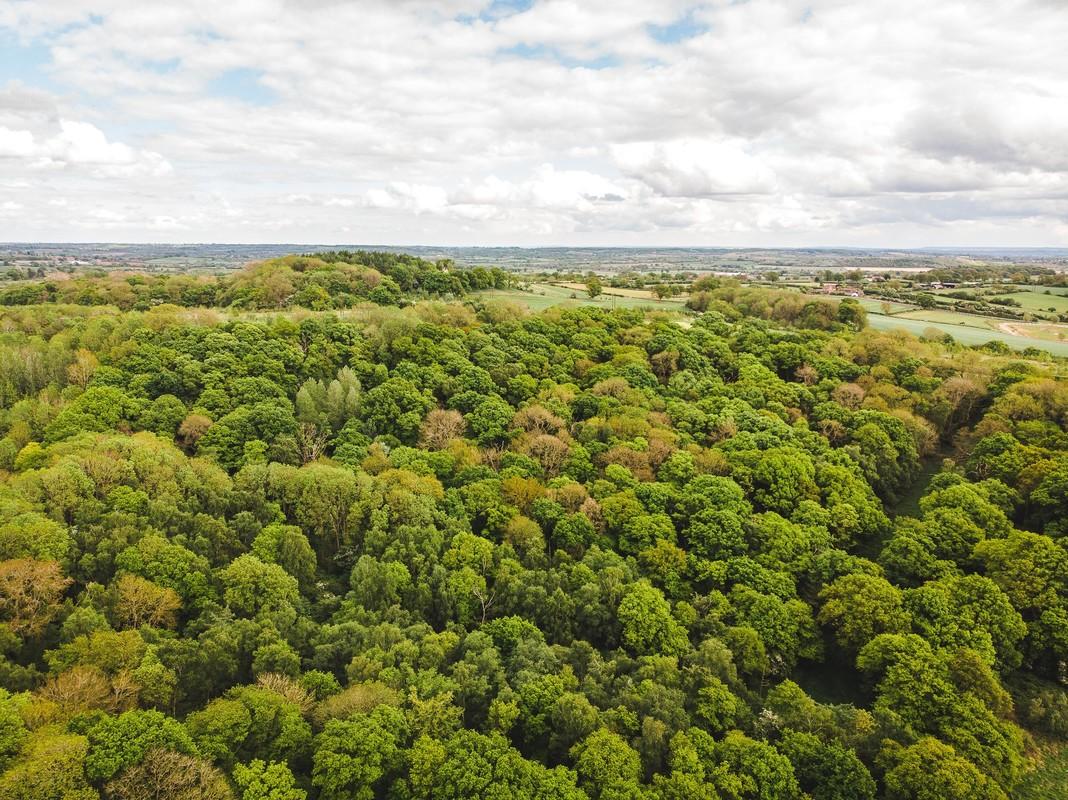
Forests are at the heart of who we are
What if our future depends on something we’ve always been part of but have gradually forgotten? Forests are more than landscapes or resources; they are deeply intertwined with our origins, our climate, and our survival. As the pressures of climate change and biodiversity loss intensify, understanding and restoring our relationship with forests may be one of the most important steps we can take toward a resilient future. Rob MacKenzie, Professor of Atmospheric Science at the University of Birmingham and Heart of England Forest Trustee, explains more.
As the pressures of climate change and biodiversity loss intensify, understanding and restoring our relationship with forests may be one of the most important steps we can take toward a resilient future. Rob MacKenzie, Professor of Atmospheric Science at the University of Birmingham and Heart of England Forest Trustee, explains more.
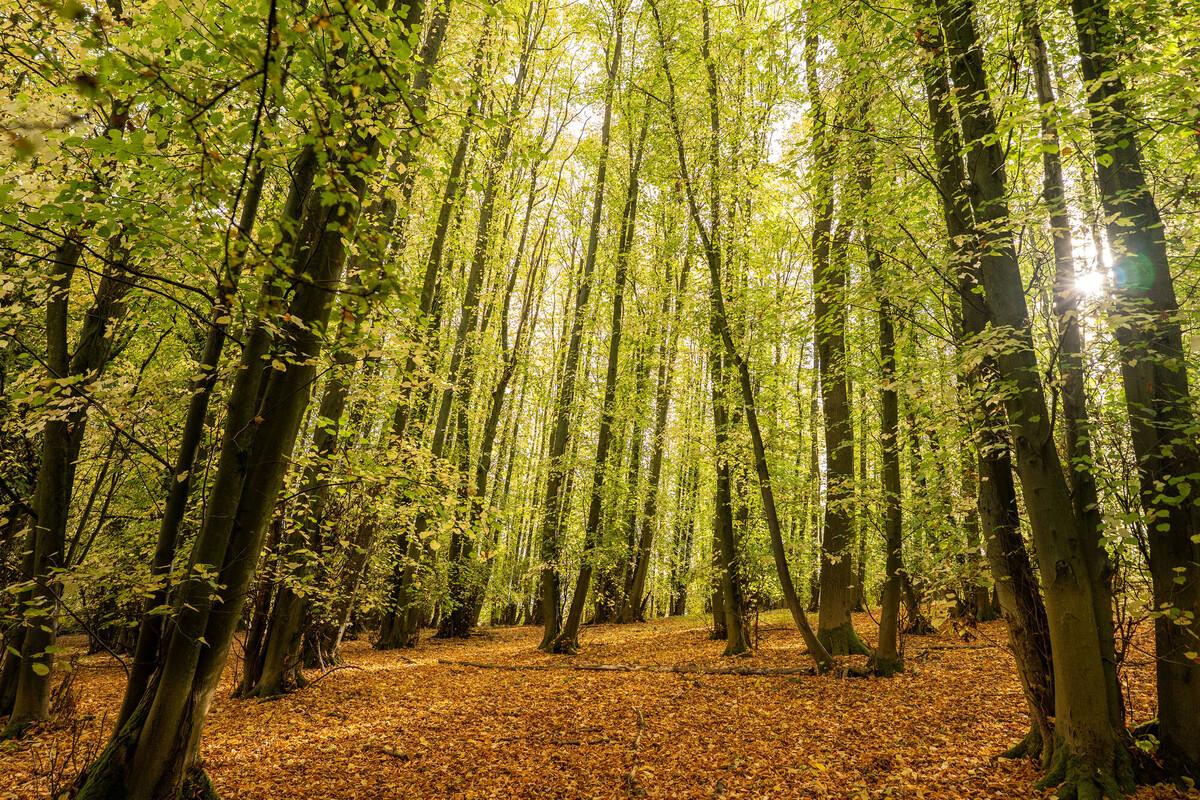
Are we beginning to remember how important our arboreal origins are? Colleagues at the University of Birmingham have conducted fascinating work suggesting that our walking upright (bipedalism) began while we were still in the trees. Maybe if we had retained an ancestral memory of tree-dwelling, we wouldn’t need to link ‘forests’ and ‘our future’; it would simply be obvious that a prosperous, secure future requires forests. Forests and our future are linked at the core of our being.
When we engage with the Heart of England Forest as volunteers, Friends, employees, or trustees, we engage our hearts with a forest. That may be the most important thing we do, even surpassing all our tremendous efforts in tree planting, coppicing, and habitat making.
From branches to burning fuels: how our relationship with forests changed.
We’ve come a long way as a species since we walked along tree branches, and our relationship with forests has changed, too. We discovered that the million-year-old remnants of plants and animals; coal, oil, and gas, are packed with energy that powers an incredibly sophisticated mode of living. A mode so abundant in material and culture that it can overflow into fascinating celebrations of human creativity and frailty like the Garden of Heroes and Villains.
The cost of progress: rising CO₂ and a changing climate.
Unlocking the vast potential of fossil-fuel energy has rapidly increased atmospheric carbon dioxide (CO₂), changing our climate. The UK is not immune: the early decades of the 21st century have been warmer, wetter, and sunnier than those of the 20th. Recent warmth in central England “has far exceeded any observed temperature in at least 300 years.” The warmest spring was 2024; 2025 was the warmest summer on record. Every year brings another record, more certainty that we, and our forests, live in a rapidly changing world. Forests: nature’s climate partners. I became fascinated by forest science because of climate change.
We get a tremendous ‘free gift’ from forests: almost a third of the extra CO₂ from burning fossil fuels, deforestation, and draining swamps is taken up by vegetation, especially forests. Without this ‘land carbon sink’, climate change would already be worse. Nevertheless, CO₂ is still rising; the climate is still changing. Will forests continue to deliver this gift in a warmer, high-CO₂ world that is sometimes wetter, other times drier?
Bringing the future to the forest: the BIFoR FACE experiment.
We can study future forest responses through seedlings in glasshouses or sophisticated computer models, but to study the forest as a forest, we must put some of it in the future atmosphere. That’s what happens at the University of Birmingham’s Institute of Forest Research Free-Air CO₂ Enrichment facility (BIFoR FACE8). Here, three patches of long-established oak forest are immersed in air with mid-century CO₂ levels, about 40% higher than today, while three neighbouring patches remain in today’s air as controls.
What the trees are telling us
BIFoR FACE isn’t a perfect time machine: only CO₂ changes, not temperature or rainfall. Yet, over time, natural variability provides conditions to explore the combined effects of CO₂, temperature, flood, or drought. So far, the nearly 200-year-old trees under elevated CO₂ are growing about 10% more each year than their neighbours. Most of this growth is in the woody part of the tree - good news, since wood locks carbon away for decades or centuries.
The hidden helpers beneath our feet.
To maintain this extra growth, trees need more nutrients, like a bodybuilder needing protein as well as carbohydrates. That nutrition comes from the forest’s intricate web of plants, animals, and microbes. Trees in elevated CO₂ leak sugary goo from their roots, fuelling microbes that recycle nitrogen from dead matter back into a usable form. The trees gain nutrients; the microbes get food. Everybody benefits.
Hope rooted in the Forest
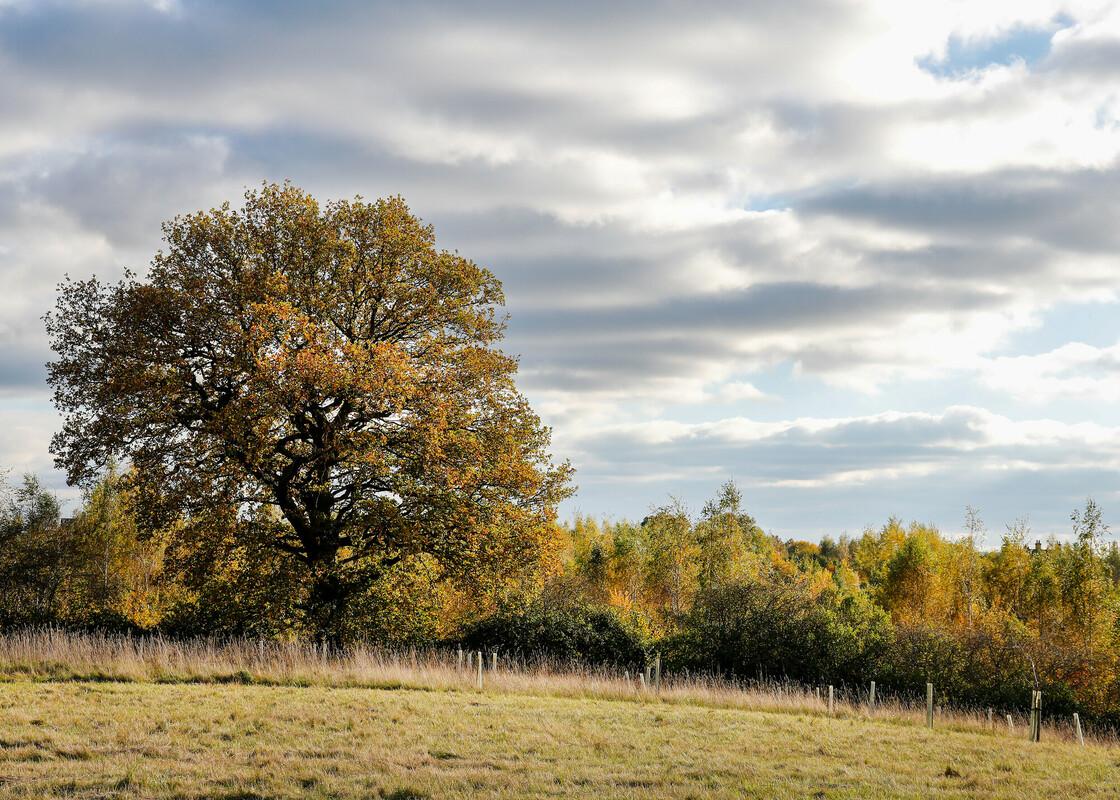
So, all is well? CO₂ rises, trees grow, problem solved? Unfortunately not. Trees have not stopped climate change, and they can’t, but they can help us manage its severity, while giving us biodiversity and joy as bonuses. Forests offer tremendous hope for our future, but we must work to keep that hope alive: by building and maintaining forests and by ending fossil-fuel burning or capturing the CO₂ it releases.
From our past to our future: a call to reconnect
Our better tomorrows have always come hand-in-hand with forests and forest products (if we can call fossil fuels that). They will continue to come if we decarbonise our economies and reconnect with our forests – from the Heart of England out into the world.