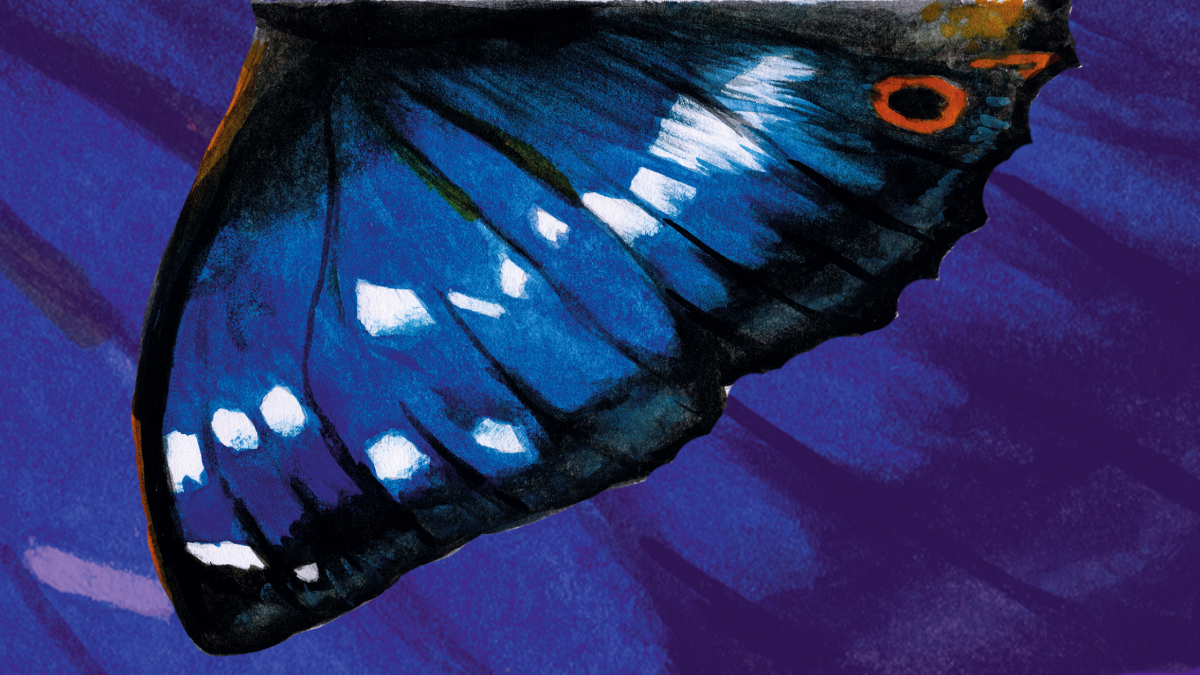
The Heart of England Forest is offering hope to butterflies
In 2024, Butterfly Conservation declared a national “Butterfly Emergency” following sharp population declines across the UK. Yet amid this worrying trend, the Heart of England Forest offers a hopeful example of how targeted conservation can make a difference. Through habitat restoration, landscape connectivity, and long-term monitoring, the Forest is supporting the recovery of vulnerable species such as the small heath and brown hairstreak. Explore with us the causes behind butterfly declines, highlight local successes, and discover how strategic environmental action can help reverse biodiversity loss and protect these vital indicator species for future generations.
A national butterfly emergency
In September 2024, Butterfly Conservation declared a national “Butterfly Emergency” after the Big Butterfly Count revealed an alarming decline in populations across the UK.
By Spring 2025, a detailed report from Butterfly Conservation Warwickshire confirmed the worrying trend but also highlighted a glimmer of hope. Amidst the decline, the Heart of England Forest was recognised for its positive impact in Warwickshire.
Why are butterflies disappearing?
Butterflies are key indicator species: when they decline, it signals deeper trouble for the wider environment. Their rapid decline is being driven by:
-
Climate change
-
Habitat loss
-
The continued use of neonicotinoid pesticides
“Butterflies have a lot of colonies close to each other, which promotes an exchange of adults between them. The Heart of England Forest is an excellent example of providing connected landscapes.
Elsewhere in Warwickshire, small heath is struggling because once it goes extinct at a site, it doesn't recolonise easily. The small heath is ubiquitous across all the Forest's holdings. Proving a connected landscape works!
The brown hairstreak is really benefiting from this connected landscape. Since colonising the Forest, it is showing the most rapid spread in the country in Warwickshire, with new locations being found each year!” - Mike Slater.
Signs of hope
Although national data mirrors the decline seen in our Forest surveys for 2024 - 2025, there are still success stories. Vulnerable species such as the small heath, brown hairstreak, and white admiral are finding refuge here, proof that restoring and connecting habitats can make a real difference.
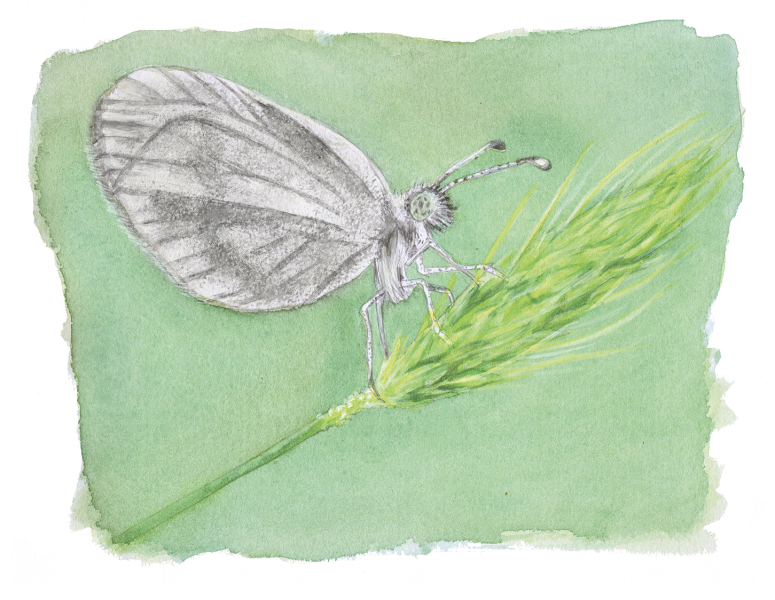
Latin name: Leptidea sinapis
Description: Their upper wings are white with rounded edges. The undersides of the wings are white, with indefinite grey markings. Males have black marks on the edges of the forewing. Their fluttery flight pattern makes them very distinguishable.
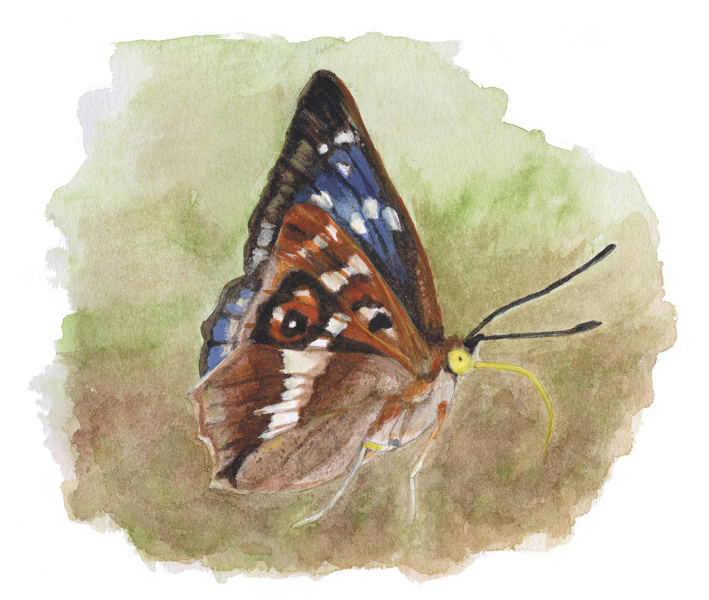
Latin name: Apatura iris
Description:: As the second largest butterfly in the UK, it stands out. They have large/ dark wings with white bands. Males have a purple sheen to their upper wings, while females are much more discreet with brown wings.
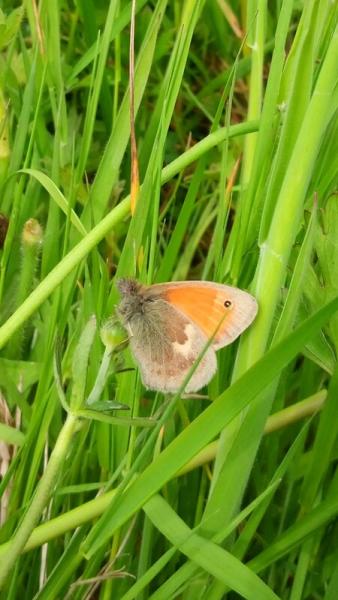
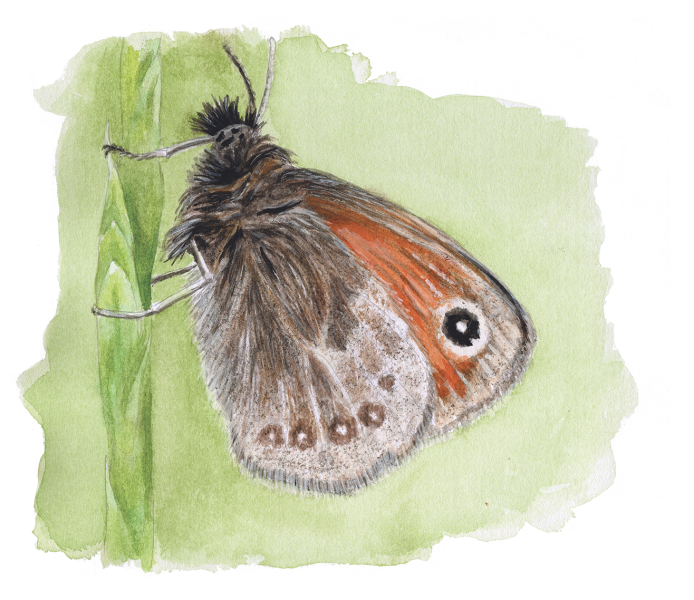
Latin name: Coenonympha pamphilus
Description: Mostly brown and inconspicuous. An eyespot is present on the underside of their forewings at the tip. The wings are banded with brown, grey, and cream
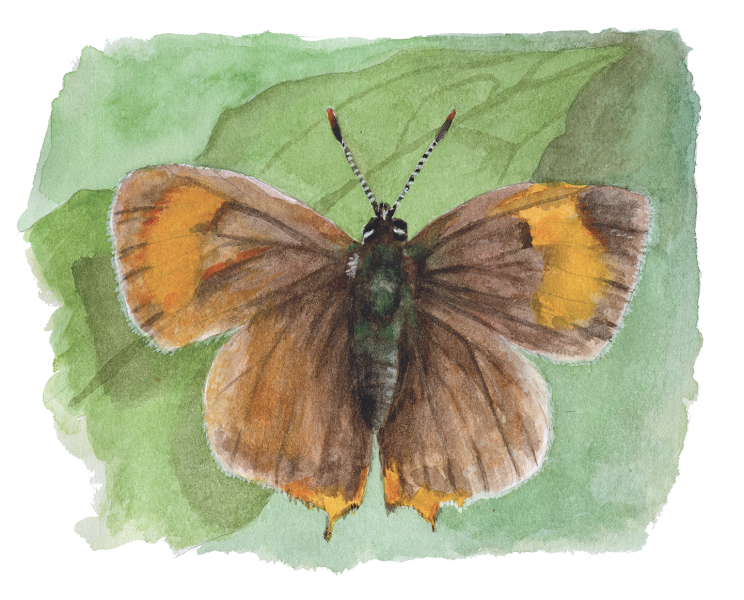
Latin name: Thecla betulae
Description: When this butterfly rests with its wings closed, you can identify two small tails on the underwing. The underwing in orange-brown colour has two wavy white streaks. Upperwings are brown with an orange mark.
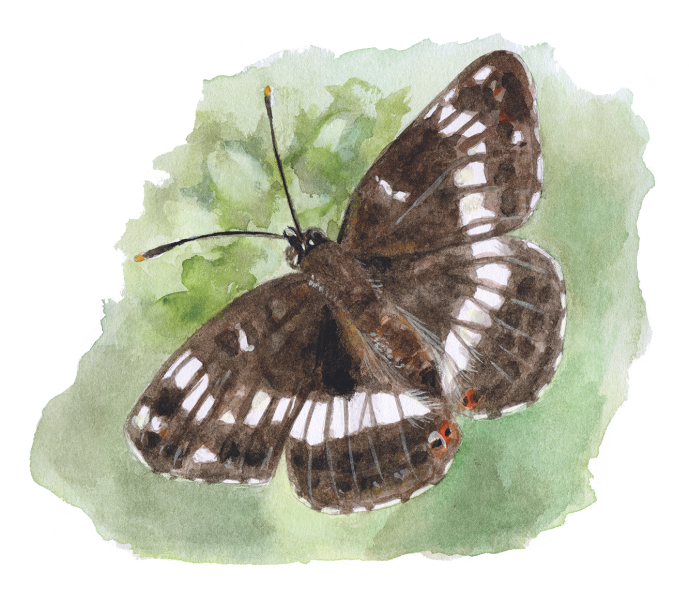
Latin name: Limenitis Camilla
Description: This butterfly has predominantly black wings with striking white bands. It also has a distinctive flight pattern; watch out for its short intervals of wing flutters followed by long glides. Its underwing, white with rich hazel brown markings and bands, makes it a wonderful find in the Forest.
What can you do to help butterflies?
With the right management, the Forest can be harnessed to provide wildflower havens for pollinators: rich woodlands, beautiful meadows , and buzzing hedgerows. You can help keep the buzz alive by donating during this year's Big Give #EarthRaise.