Looking to the Future: Growing the Forest
The Heart of England Forest is taking bold steps toward a greener future, expanding its vision of a 30,000-acre native woodland that supports wildlife, restores landscapes, and connects people with nature. With new land acquisitions in Warwickshire and Worcestershire, exciting restoration projects are underway. Through careful planning and community collaboration, these sites will be transformed into thriving, biodiverse habitats for generations to enjoy.
A Forest for generations to come
At the Heart of England Forest, we are creating and caring for a vast new native broadleaf forest in the heart of the country, a place where wildlife can thrive, landscapes can recover, and people can reconnect with nature.
Our long-term ambition is bold: to grow a 30,000-acre (12,140 hectare) forest that will benefit the environment, wildlife, and local communities for generations to come.
A vital part of achieving this vision is acquiring the right land. Each new site offers an exciting opportunity to restore nature, and we’re delighted to share two of our most recent additions.
Eastern Hill and Oak Tree Wood
181 acres (73 hectares) near Sambourne, Warwickshire
This newly acquired farmland will be transformed over the coming years into a rich, nature-filled landscape.
Our work will take place in three phases:
-
Phase one (happening now): Tree planting at Eastern Hill and creation of a small grazing area
-
Phase two (2026/27): Continued woodland creation
-
Phase three (2028/29): Completing the transformation of the site
Across the site, we will:
-
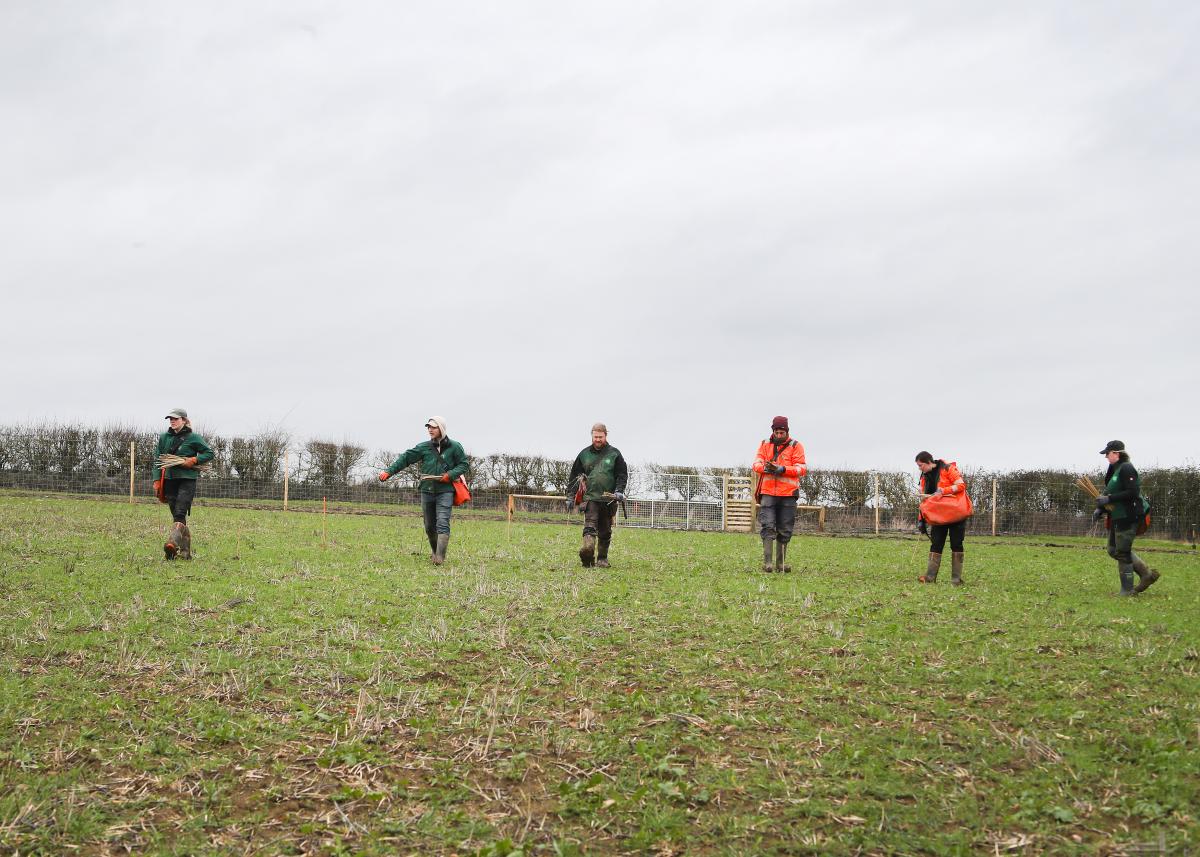
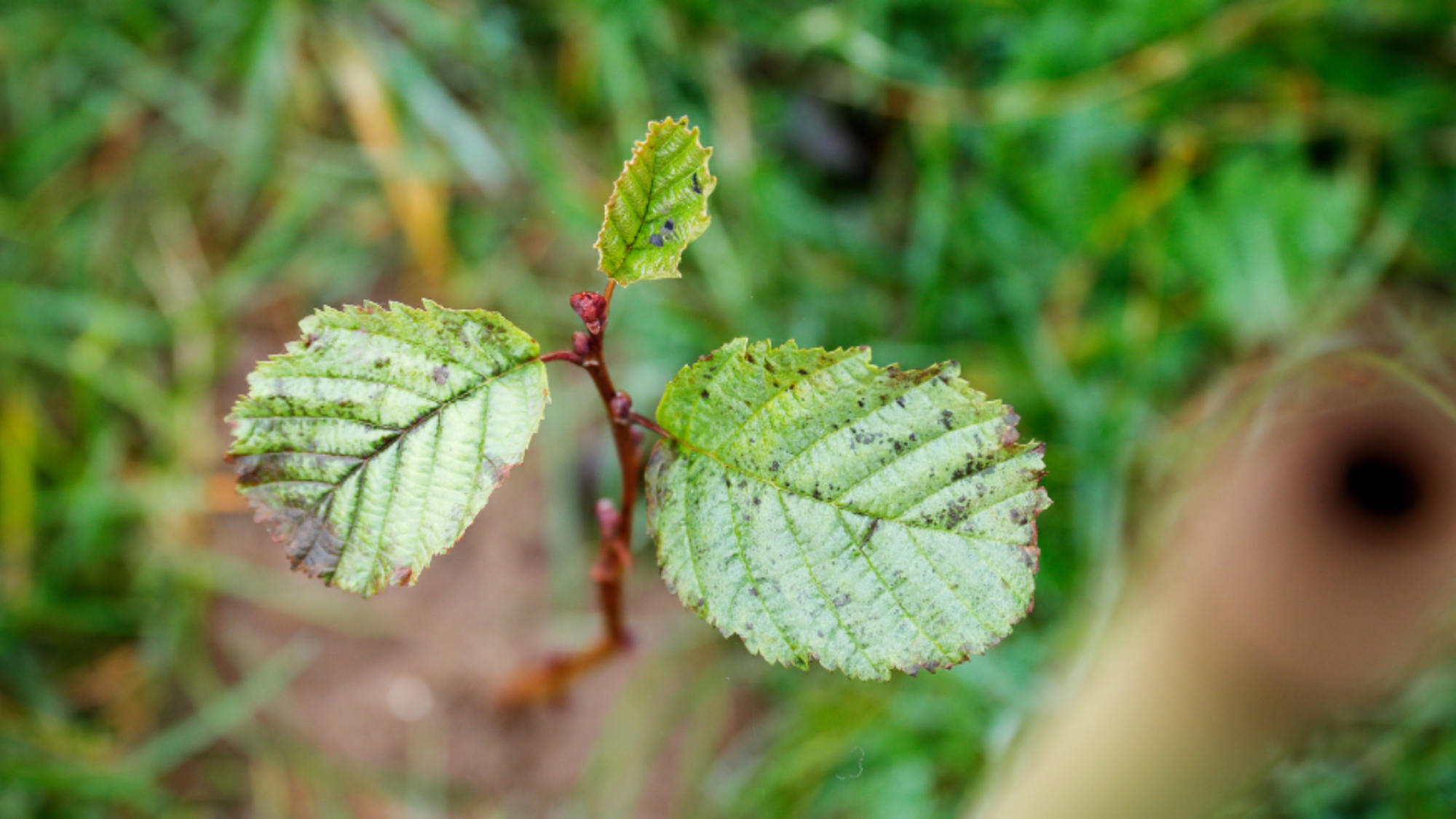
Plant native broadleaf woodland
-
Restore ponds and wetlands
-
Create scrapes (shallow water habitats) to support wildlife
-
Establish walking routes linking Astwood Bank and Sambourne
One particularly exciting feature is the presence of “ghost ponds” - historic ponds that were filled in for agriculture. By restoring these, we can:
-
Unlock hidden seedbanks and revive lost plant life
-
Boost biodiversity
-
Help manage water naturally, potentially reducing local flooding
We’re also incredibly grateful to Wider Plan, an award-winning provider of employee wellbeing benefits based nearby, whose generous support is helping bring this project to life. Their commitment reflects a shared belief in improving wellbeing - both for people and the natural world.
Harvington Wood
116 acres (47 hectares) in Harvington, Worcestershire
We are in the planning stages at Harvington Wood, carefully designing how best to restore and enhance this landscape.
Our vision includes:
-
Creating wet woodland alongside the River Avon
-
Restoring hay meadows and floodplain grassland
-
Developing a network of wetlands, including scrapes and swales
-
Introducing natural water management features to slow water flow and reduce erosion
This site is part of a wider collaboration with the Environment Agency, enabling us to deliver ambitious habitat restoration that benefits:
-
Nature
-
Climate resilience
-
Local communities
From field to forest: How it happens
Transforming land into thriving forest is a careful and considered process. It can take one to three years from purchase to planting.
Before any trees go in the ground, we:
-
Consult with local communities and neighbours
-
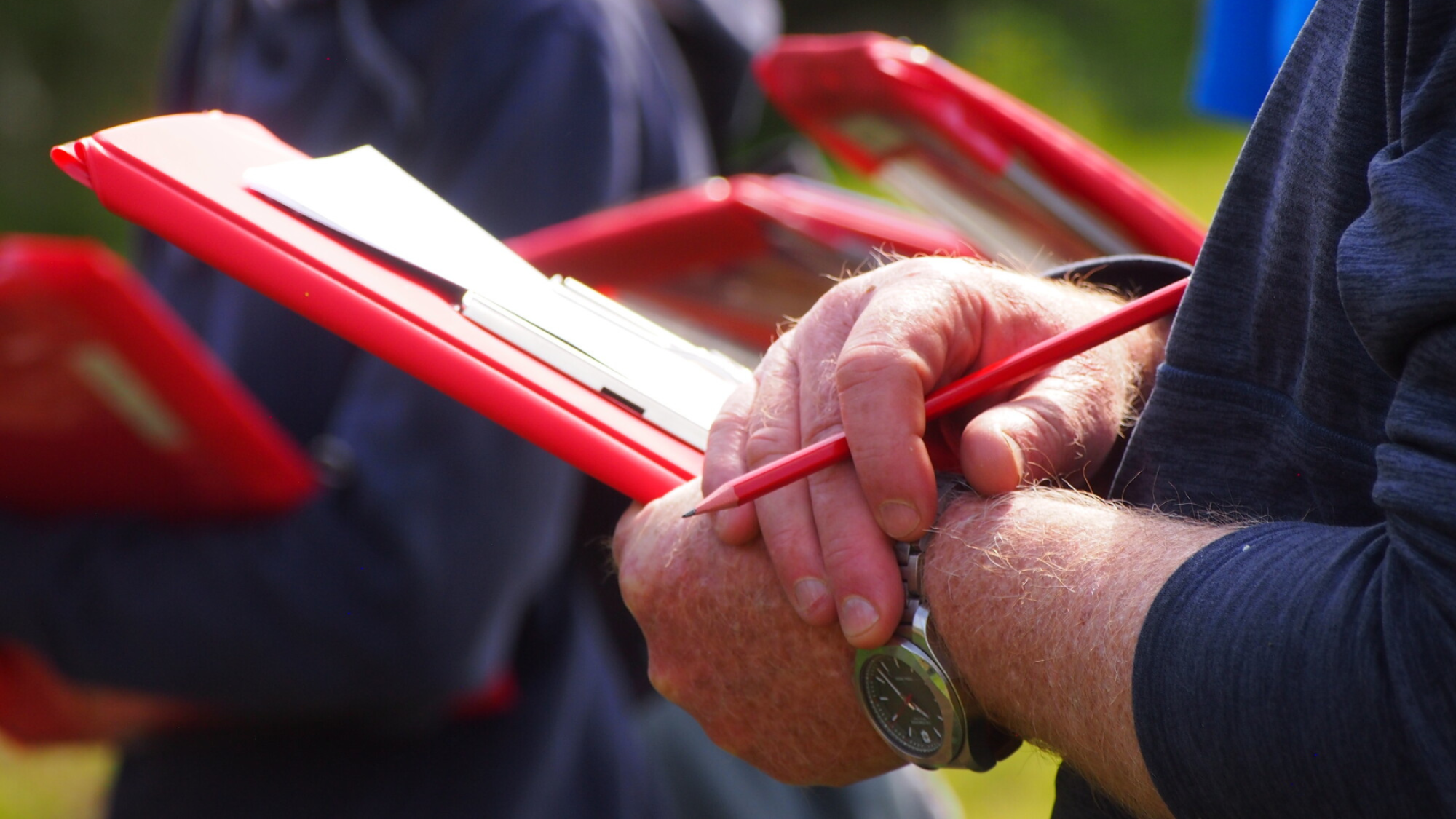
Carry out biodiversity surveys
-
Undertake environmental assessments
-
Develop detailed plans approved by relevant authorities
This ensures that every decision supports long-term ecological health.
Understanding the land
Each site has its own story, and we begin by listening to the landscape.
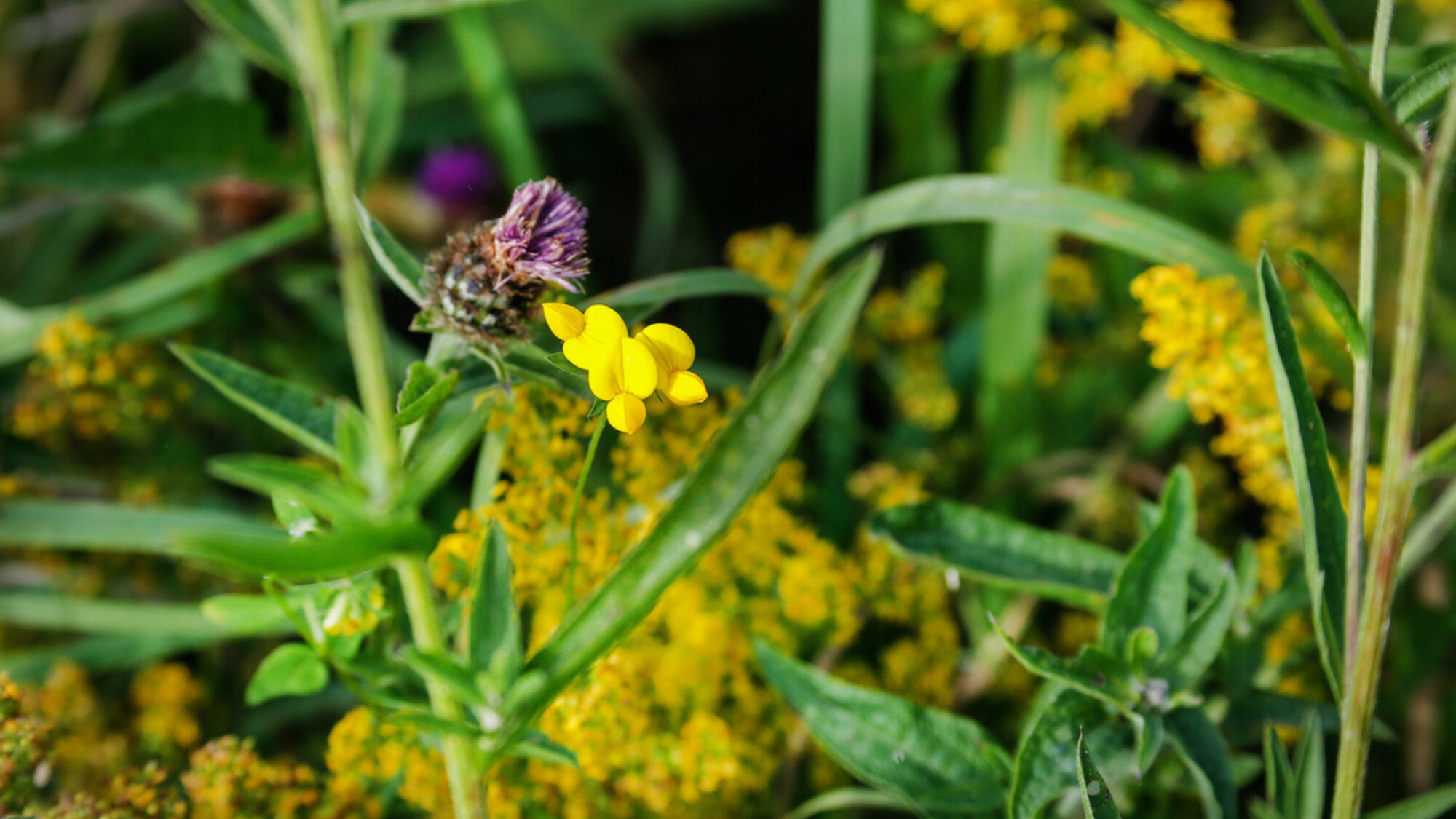
At Harvington Wood, surveys have already revealed important plant species, including:
-
Great burnet, a key indicator of floodplain meadows
-
Bird’s-foot trefoil and field madder
-
Greater dodder, a rare parasitic plant
These discoveries help guide how we restore and protect each area.
More than just trees
While tree planting is central to our work, a healthy forest is made up of many habitats working together.
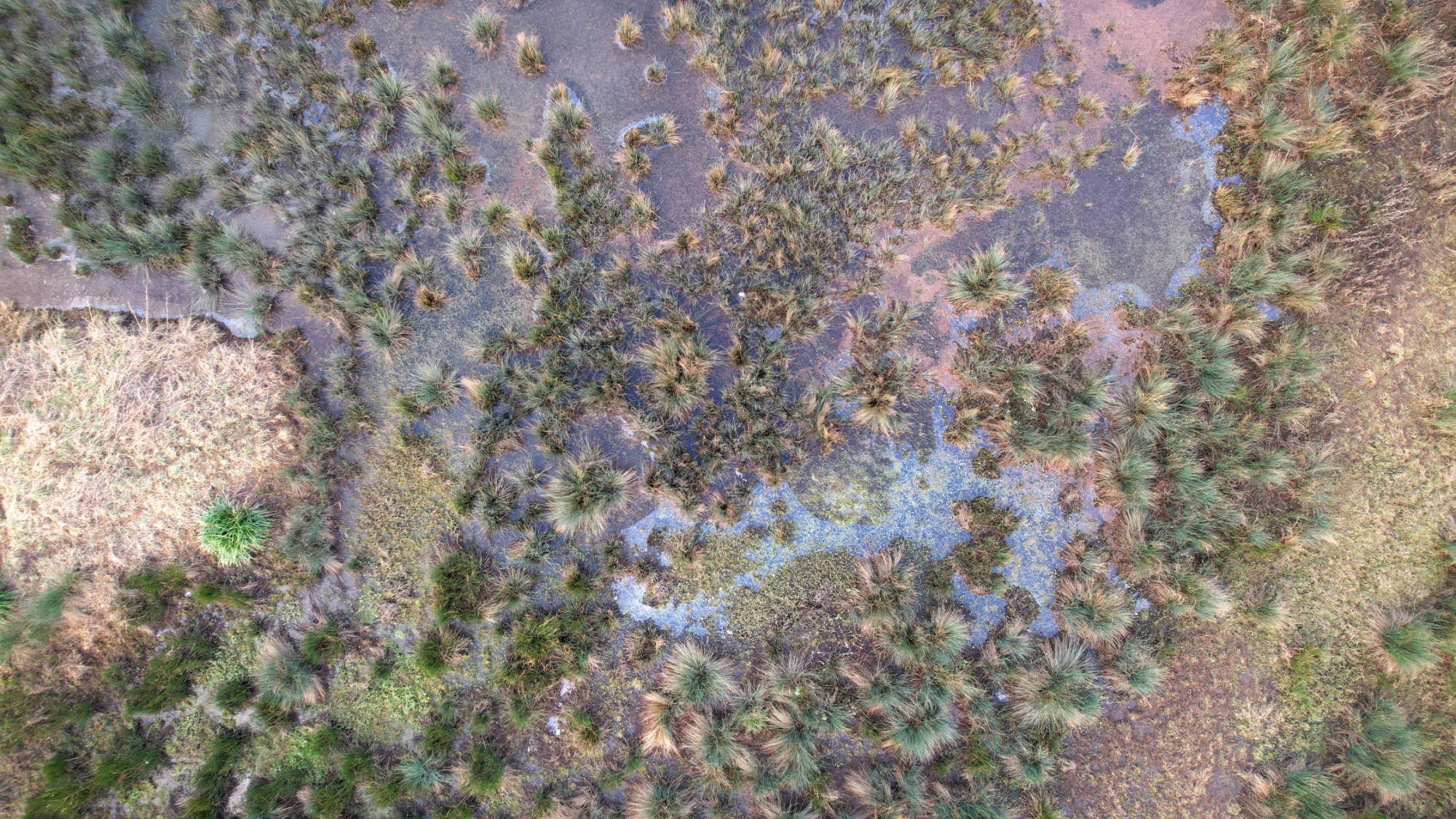
Across our sites, we are creating an array of habitats, including:
-
Woodland
-
Grassland
-
Wetland
This diversity supports a far wider range of wildlife and helps improve water quality, soil health, and resilience to climate change.
Be part of the Forest’s future
Every tree we plant and every habitat we restore brings us closer to our vision - but we can’t do it alone.
You can support the growth of the Forest and help create a lasting legacy for people and wildlife by becoming a Friend of the Forest, with a donation from just £5 a month.