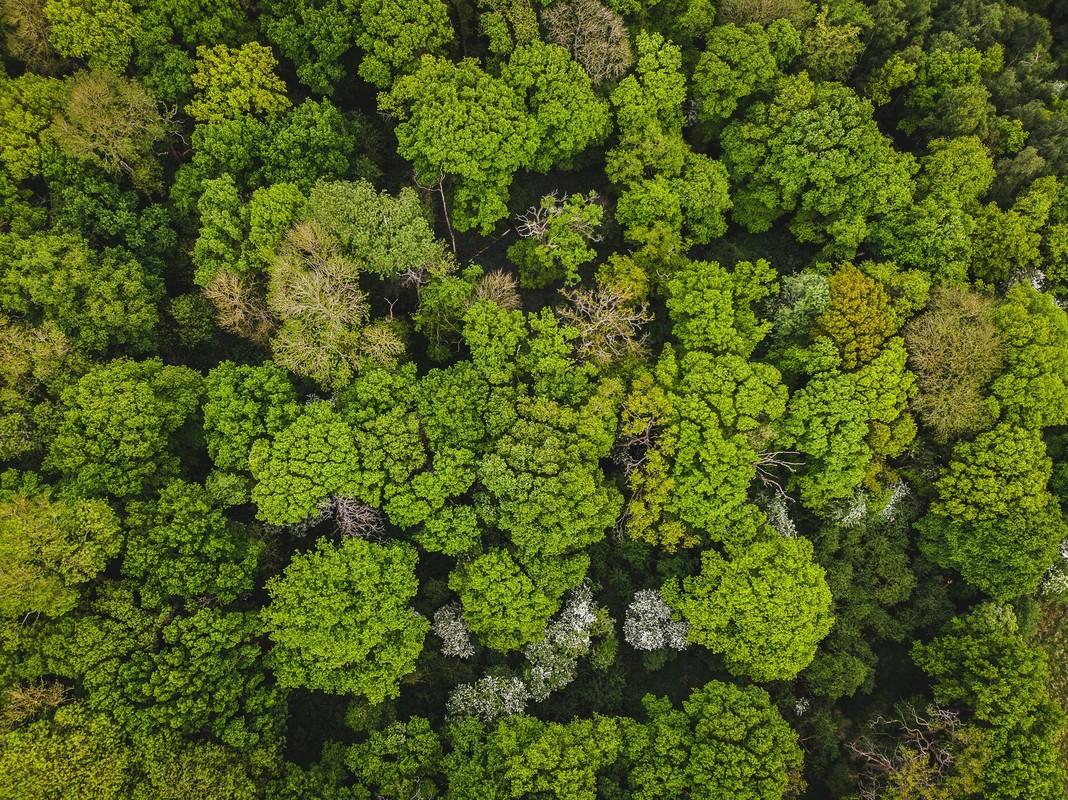
Winter work: Behind the scenes
Winter is one of our busiest seasons in the Forest; we are known for creating new woodlands and tree planting during the colder months. However, there is much more to our winter works than tree planting; while the landscape may appear quiet and still, our forestry teams are out each day carrying out essential management work that supports the long-term health, resilience and biodiversity of the Forest.
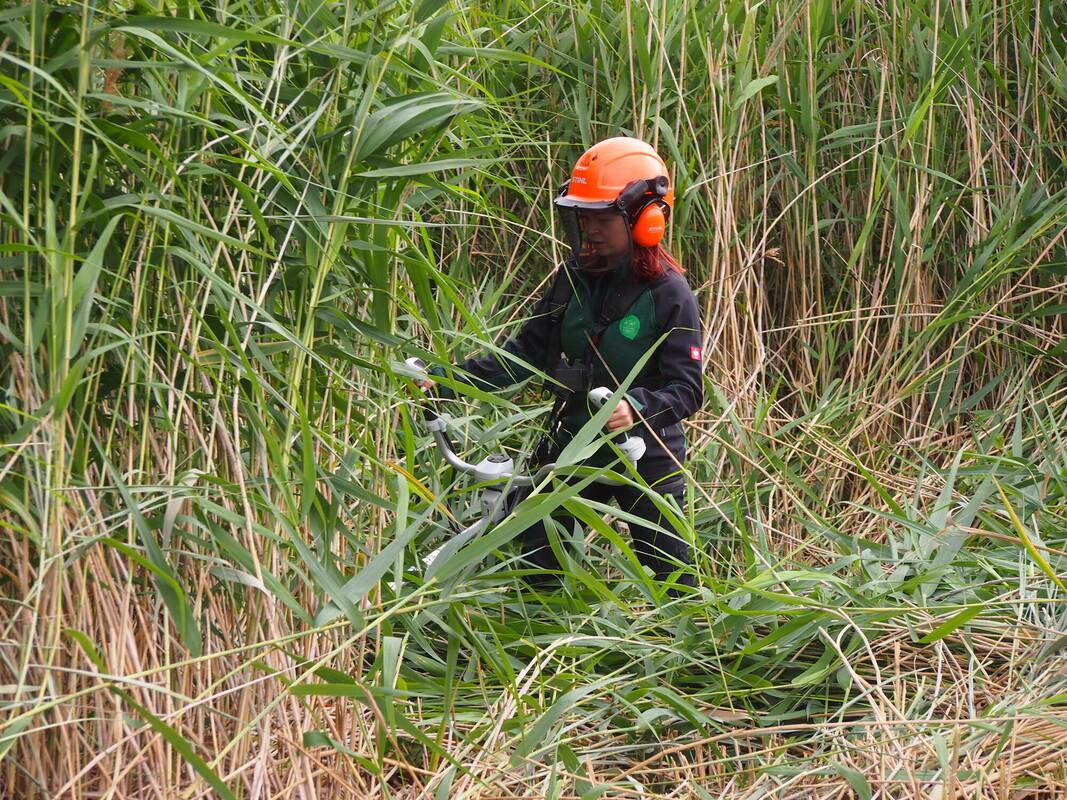
Working during the dormant season allows us to undertake tasks with minimal disturbance to wildlife. With trees no longer in leaf and bird nesting season over, we can see the woodland structure more clearly and carry out careful, targeted management. It’s physical, skilled work (often in cold, wet conditions) but it plays a vital role in shaping healthy woodlands for generations to come.
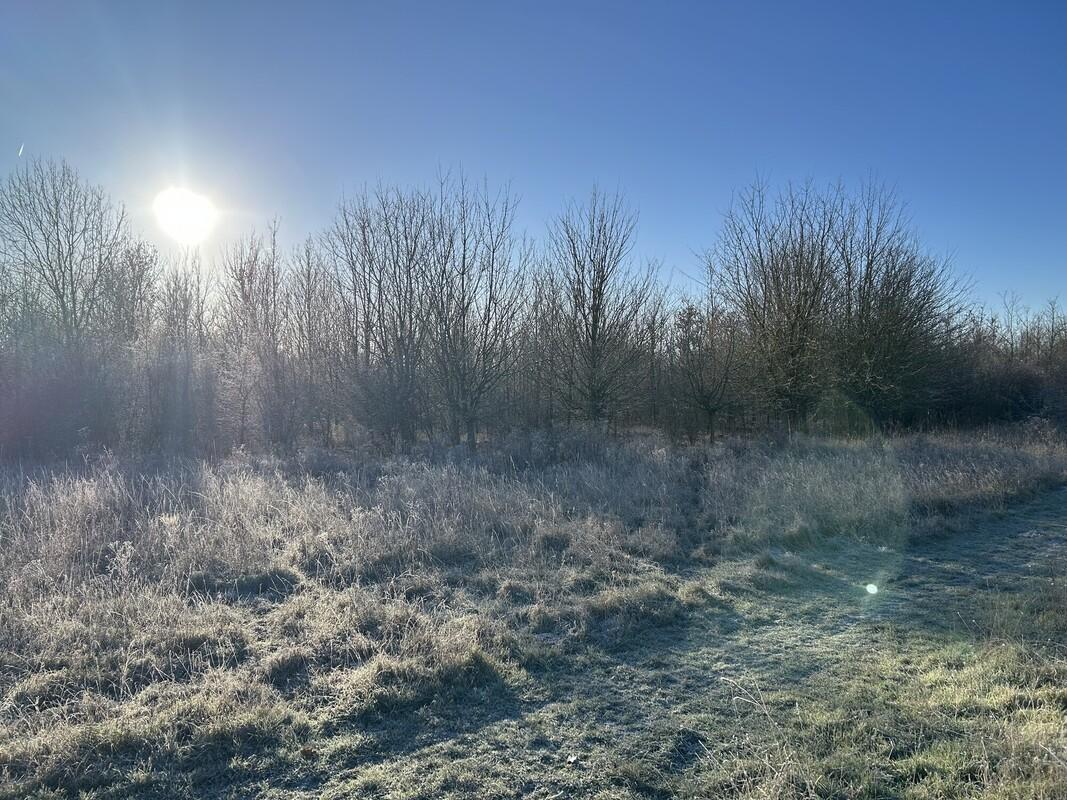
What we do while the Forest sleeps
Coppicing hazel
Where: Dorothy’s Wood
What: A traditional woodland practice that dates back centuries, coppicing involves cutting hazel stools down to near ground level, allowing fresh, vigorous shoots to regrow from the base in spring.
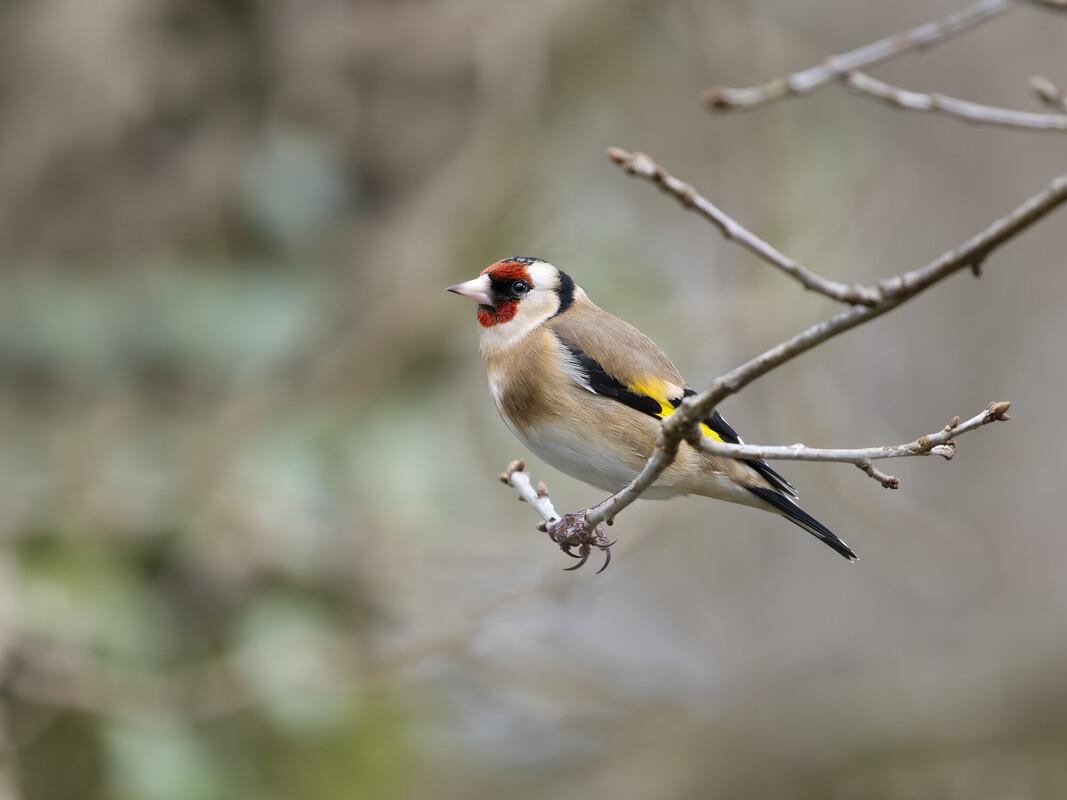
This cyclical management creates a mosaic of habitats within the woodland. Recently cut areas allow light to flood the forest floor, encouraging wildflowers, grasses and young shrubs to flourish. In turn, this supports a greater diversity of insects, birds such as black caps and song thrushes, and small mammals like wood mice.
Hazel responds particularly well to coppicing, producing straight poles that can be used for stakes, binders, hurdles and habitat creation. By rotating coppice coupes over time, we ensure a varied woodland structure, which is key to woodland health and biodiversity.
Hedgelaying
Where: Honeybourne
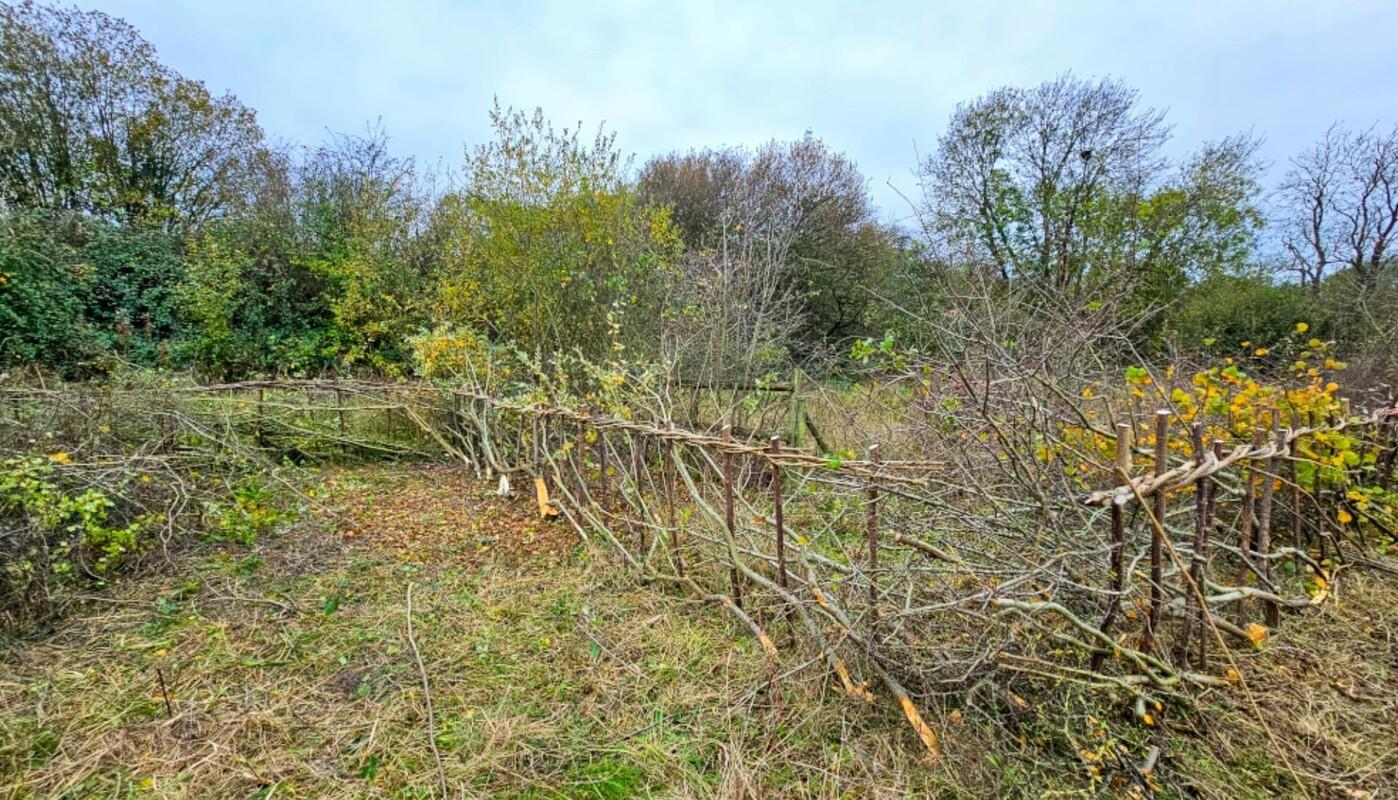
What: Restoring an ageing boundary using the traditional Midlands style. Each stem is partially cut and laid over as a pleacher, maintaining its connection to the root system so that it continues to grow.
Hedgelaying rejuvenates tired hedges, encouraging thick growth from the base upwards. A dense hedge provides vital habitat and nest sites for birds such as yellowhammers and dunnocks; corridors for small mammals like hedgehogs, and sheltered routes for bats moving across the landscape. They also provide key food sources for wildlife in the form of flowers, berries, and nuts.
Beyond the woodland edge, healthy hedgerows play an important role in the wider landscape, acting as natural windbreaks, connecting fragmented habitats, and slowing surface water runoff during heavy rainfall, contributing to local flood alleviation.
Thinning woodland
Where: Giddings Wood
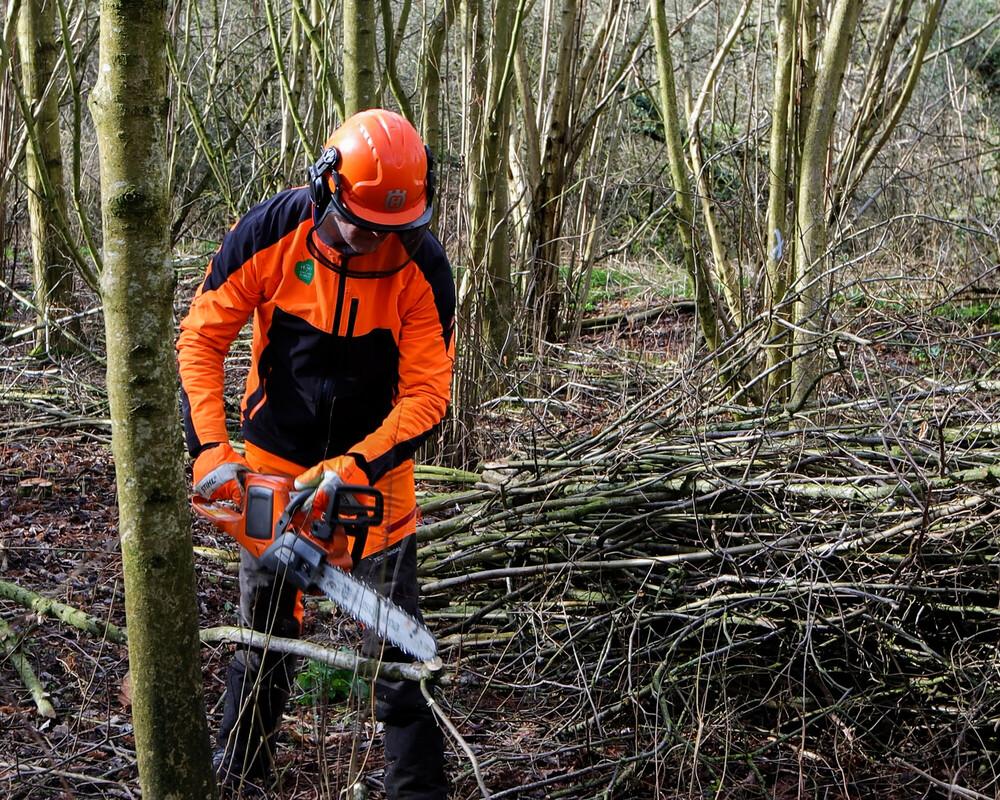
What: Selective thinning involves carefully removing certain trees to reduce overcrowding, improve overall woodland structure, and ensure our visitors can enjoy the Forest safely.
By reducing competition, we allow the strongest trees more light, space and nutrients. This improves their form and resilience, helping the woodland better withstand storms, drought and disease. Increased light reaching the forest floor also encourages a richer ground layer of plants, which in turn supports insects such as the speckled wood butterfly, while the mature retained trees provide habitat for owls and woodpeckers.
Scrub reduction & pond work
Where: Various sites including Middle Spernal, Honeybourne and Becks Wood
What: Winter scrub reduction around our ponds has been essential. Removing dense bramble, blackthorn, and selectively managing willow opens up the canopy and allows more sunlight to reach the water.
Light is critical for aquatic plants, which form the foundation of a healthy pond ecosystem. Improved light levels encourage invertebrates and amphibians such as common toads, frogs and great crested newts to thrive, while also benefitting species like kingfisher, grey herons and grass snakes that feed on insects, small mammals and amphibians that rely on a healthy aquatic ecosystem. Furthermore, reducing excessive leaf litter helps maintain water quality.
Opening ponds also restores their ability to hold and slow the flow of water during periods of heavy rainfall. By improving their capacity, we contribute to natural flood management by slowing runoff and supporting the wider catchment.
Forest infrastructure
Where: Across the Forest
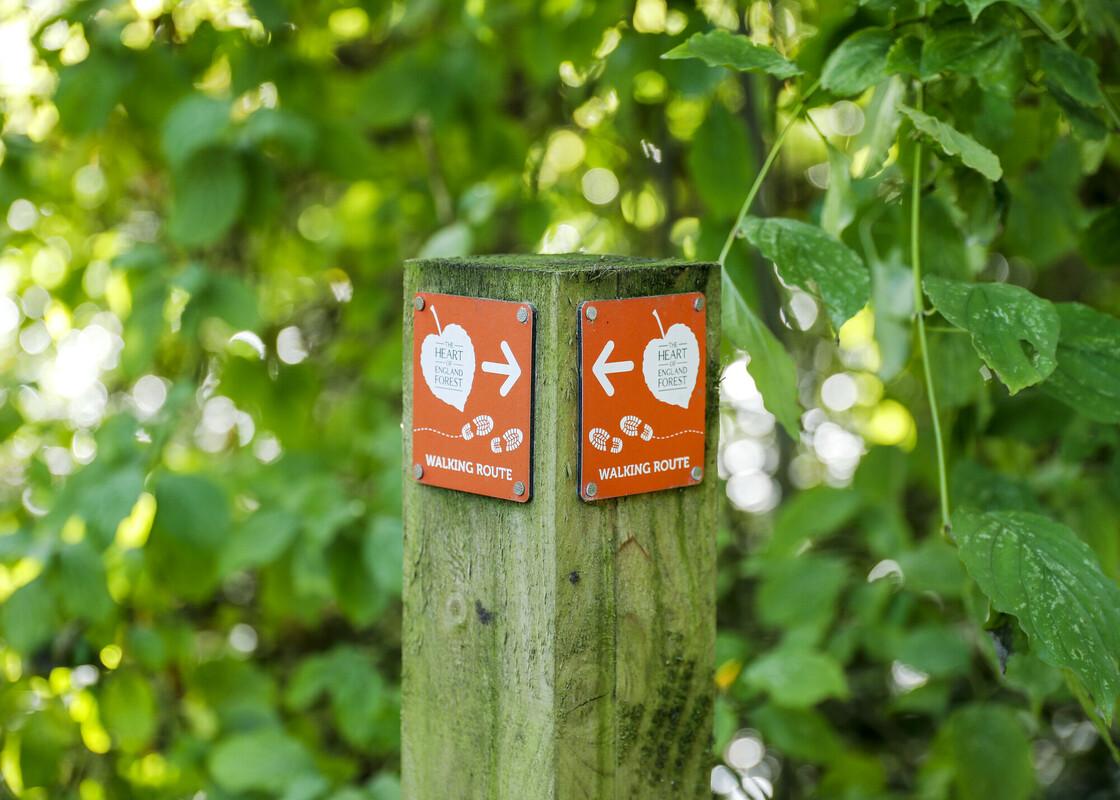
What: Winter is a key time for maintaining forest infrastructure. Our teams repair gates, waymarkers and stiles, ensuring safe and accessible routes for visitors.
Exposure to weather, heavy use, and natural wear can take their toll on infrastructure. By carrying out repairs now, we keep the woodland welcoming and accessible year-round. Clear signage and well-maintained entrances not only improve visitor experience, but also help protect sensitive habitats by guiding foot traffic along designated route.
Why winter work matters
Although much of our work happens quietly behind the scenes, it underpins everything visitors value about the Forest. Healthy, well-managed woodlands are more resilient to climate change, more diverse in wildlife, and there for people to enjoy.
These winter works ensure diverse habitats that support a wide range of species, improve water quality, enhance biodiversity, and contribute to flood alleviation, as well as invest in both the future of the Forest and the visitor experience.
As forest rangers, winter is a season of skill, teamwork, and long days outdoors. It’s muddy boots, the sound of billhooks and chainsaws, the careful weaving of binders, and the satisfaction of seeing light return to the woodland floor.
A Forest for you
While the Forest may look quiet in winter, it is in these colder months that we lay the foundations for spring growth. In the cold and the mud, we’re shaping the light, the space and the structure that will carry the woodland into spring. Ensuring the woodland remains healthy, resilient, and full of life for years to come.
So, when you walk beneath a bright green canopy, see sunlight spilling onto the Forest floor, or pass a hedge thick with fresh growth, you’re seeing the result of winter’s work: the careful craft of our forestry team, carried out long before the first leaves return.