Restoring wetlands together: A partnership for nature
The Heart of England Forest has embarked on an ambitious wetland creation project in partnership with Warwickshire Wildlife Trust and funded by the Environment Agency’s Water Environment Improvement Fund (WEIF), to create habitats to reduce the risk of flooding and support a wide variety of wildlife in the Middle Spernal.
What is a wetland?
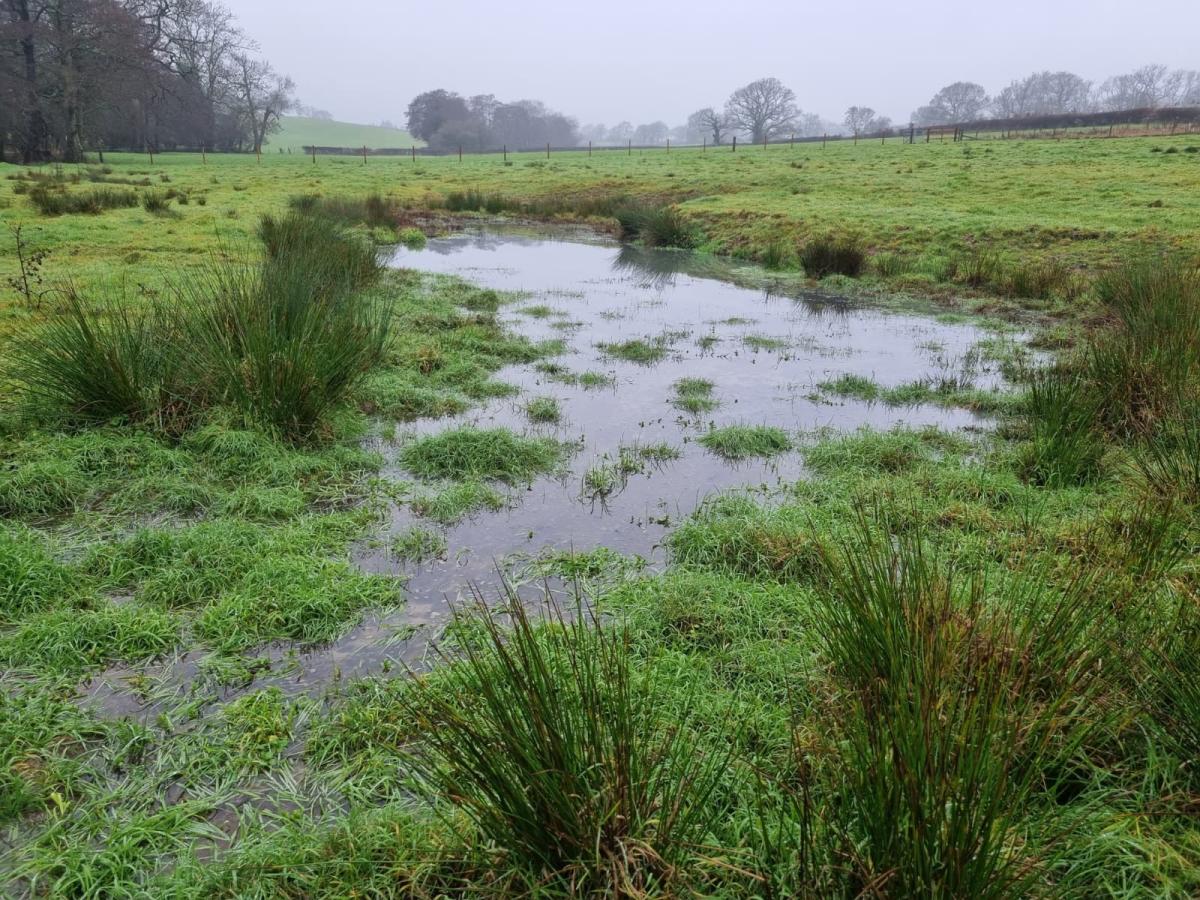
A wetland habitat is an area of land within the Forest that has a body of water, such as a pond, but can also be an area of land that has a lot of ground water from a nearby river or lake causing a marsh. However, wetlands are not limited to these; swamps, peatlands, and much more can be categorised as wetlands.
Wetlands are covered by the UK Biodiversity Action Plan (BAP) which aims to protect and enhance habitats for endangered species.
Many wetlands are used as transition zones in the Forest, meaning that they are not totally underwater or totally dry. They are colonised by plants known as hydrophytes which can survive in very wet soil. Often these are types of grasses and moss that can support soil structure, such as riverbanks or even trees.
Why wetlands?
Over time, our land has become compacted with tracks and paths, and historic agricultural efforts to disconnect water from its floodplain has caused water to rush off the land and into watercourses more quickly during rainfall. As water rushes through ditches and streams, it quickly reaches the rivers, causing flash flooding. It also means that during drought, water drains away too fast, increasing the likelihood of dry, cracked soil.
By slowing the flow through ponds, scrapes, re-meandering ditches and damming, water is held in the landscape for longer, reducing the risk of flooding and supporting habitats such as woodland, floodplain grassland, and wetland. Wetland and wet grassland habitats are uncommon in the West Midlands, especially those with slow-flowing, clean water.
This project will help encourage a rich diversity of wildlife and provide vital homes for:
-
Wading birds such as lapwing, snipe, and ringed plover
-
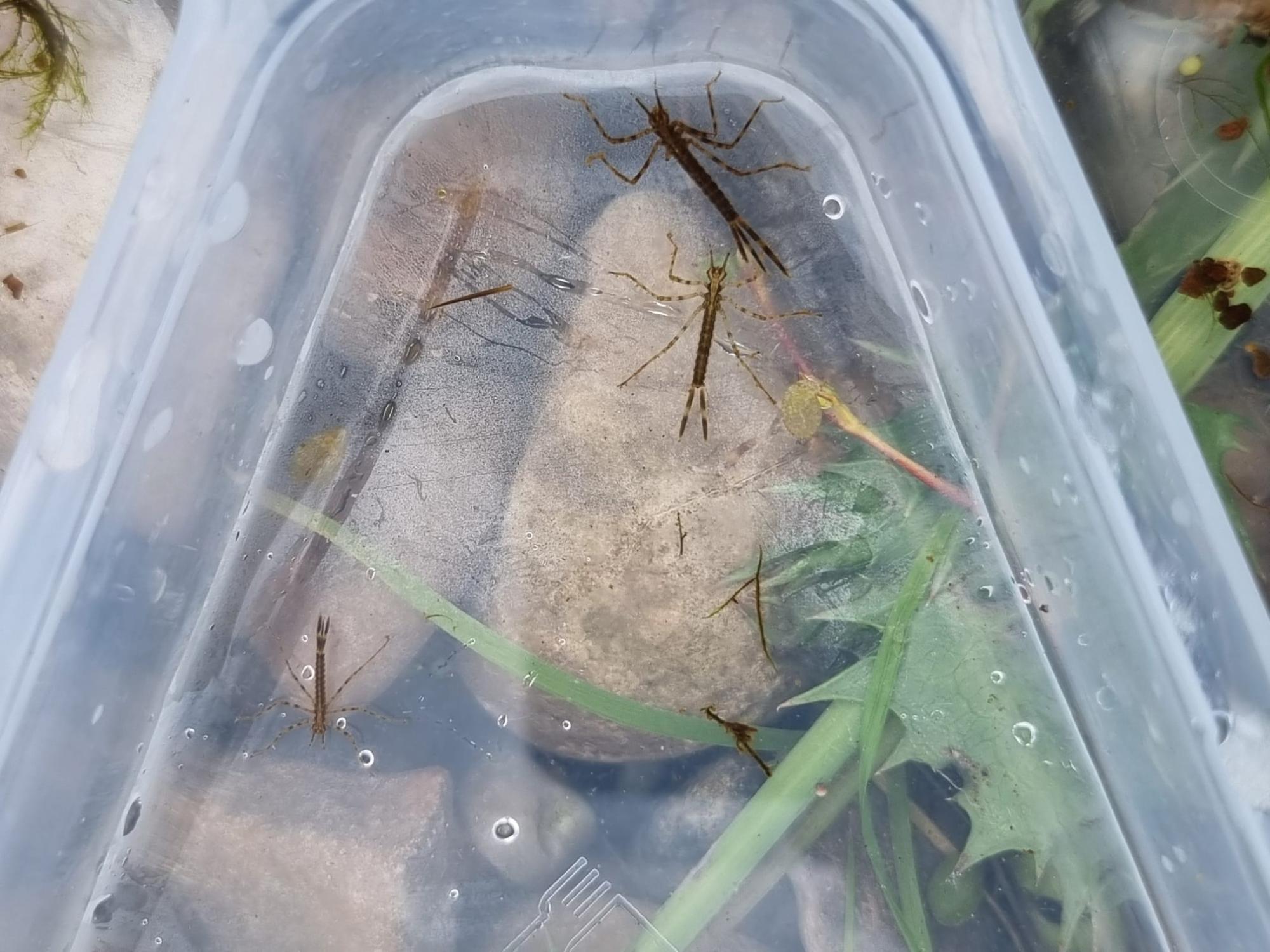
Invertebrates like diving beetles, dragonflies, freshwater shrimp, and molluscs
-
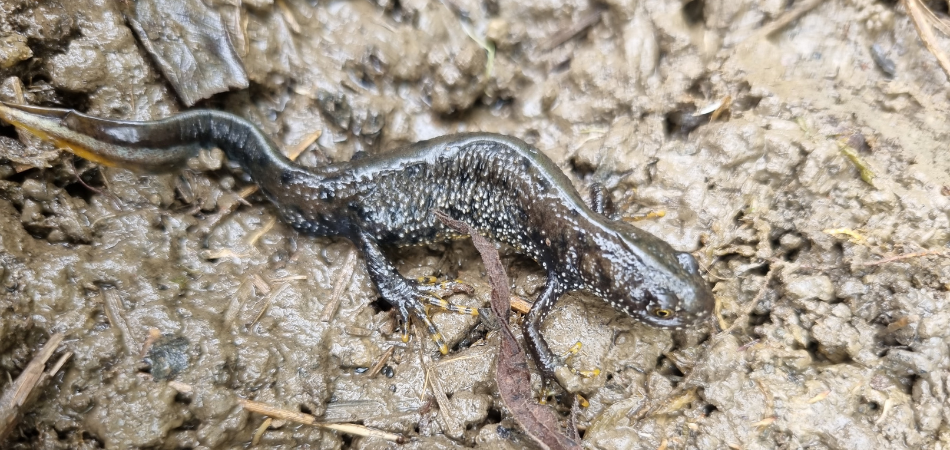
Amphibians including great crested newts and toads
-
Mammals such as the water vole
Why Middle Spernal?
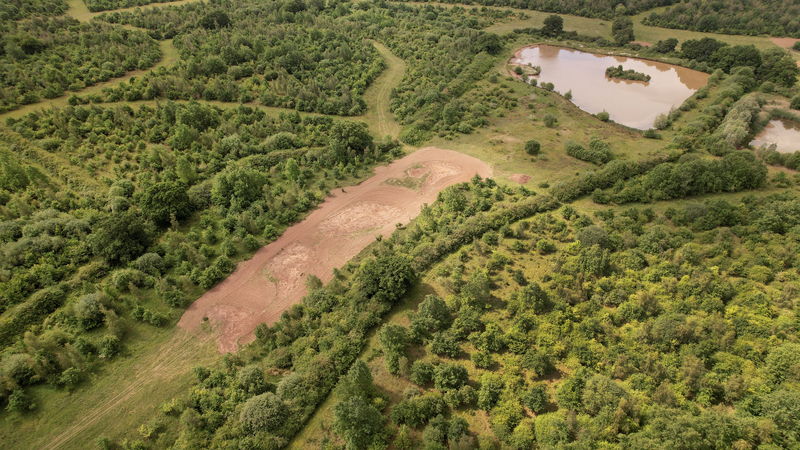
Middle Spernal was chosen as it sits within a low area of the Spernal estate in the Forest. It houses three ponds and a network of straight ditches that lead straight into the River Arrow. Most of the surrounding surface and groundwater ends up in these channels, which then flow quickly into the Arrow. By filling in sections and offering alternative routes, we are intercepting that flow and holding back more water before it reaches the river.
“The site at Middle Spernal is already a very wet area, so we are only doing what the land naturally wants to become - a wetland.” - Avery Hill, Biodiversity Officer (Wetlands)
Partnership in action
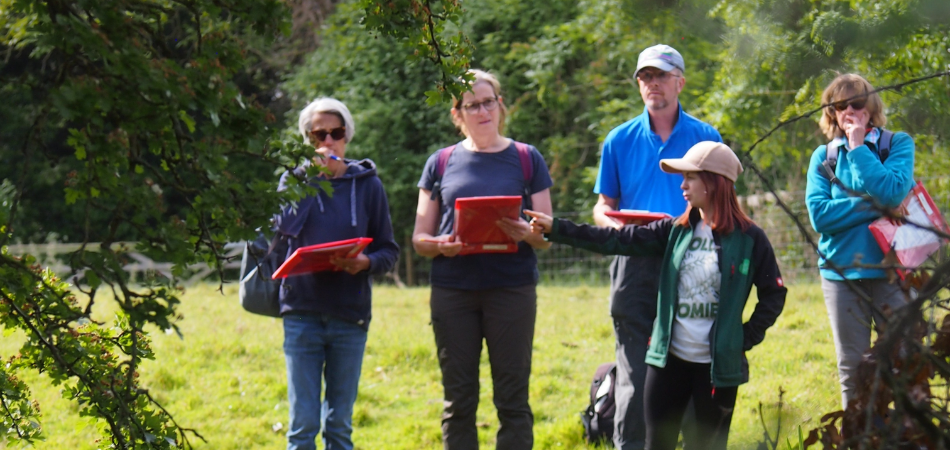
Avery Hill, Biodiversity Officer (Wetlands), has worked closely with Jake McAlister, a Catchment Restoration Officer from Warwickshire Wildlife Trust, to develop and deliver the plan. The Trust provided specialist support, including an elevation measuring device that helped identify low points within the area and get an indication of how the water was moving on the land. The excavation work, carried out by contractors and overseen by Avery and Jake, was funded by the Environment Agency.
How you can get involved
If you want to get involved with creating wetlands and other important habitats to benefit biodiversity, why not pull on your wellies and come and join us as a volunteer.
You can also help us to provide habitats for wildlife to flourish by becoming a Friend of the Forest from as little at £5 per month - Become a Friend of the Forest today