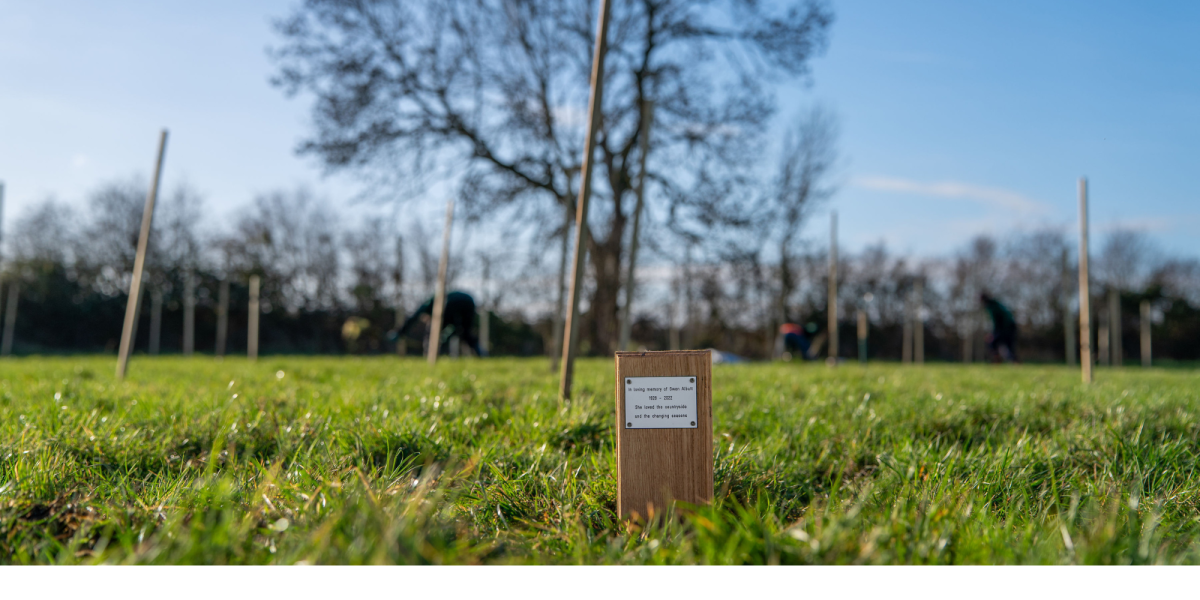
Plant Your Tree in the Forest
Dedicating a tree in the Forest is a wonderful way to celebrate a special occasion, remember a loved one, establish your own family tree, or give a meaningful gift that will grow for generations to come.
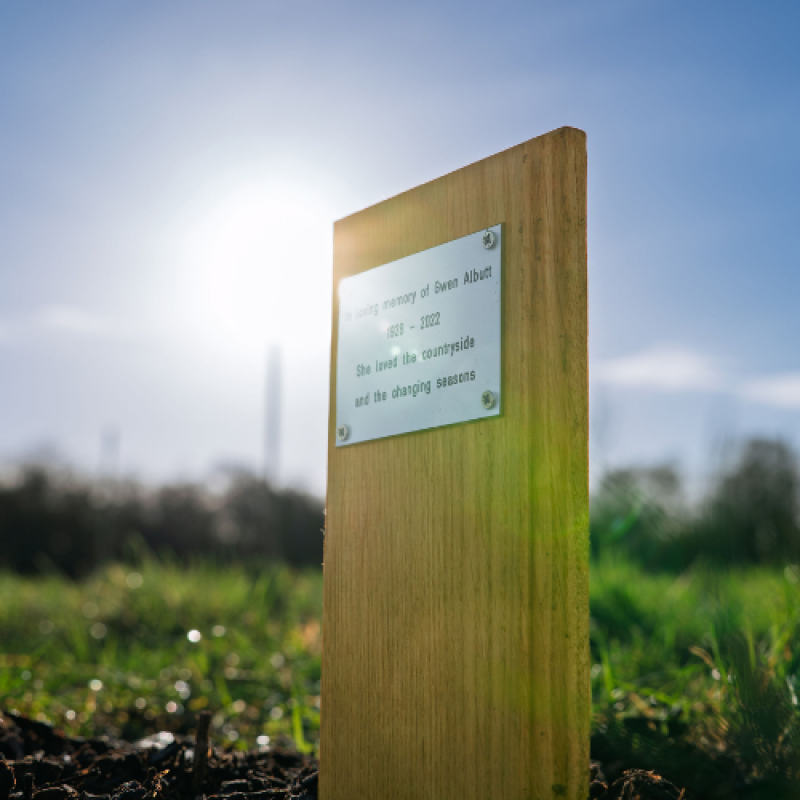
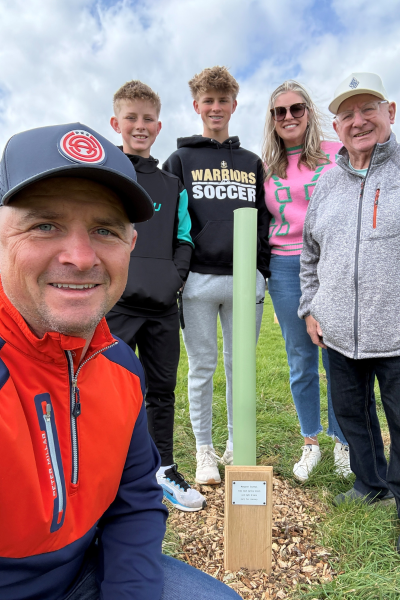
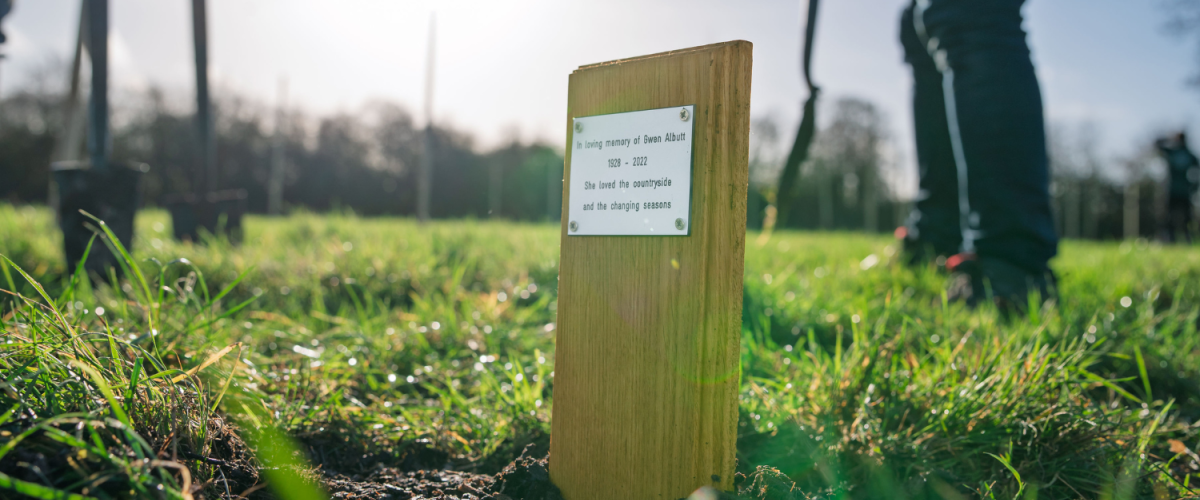
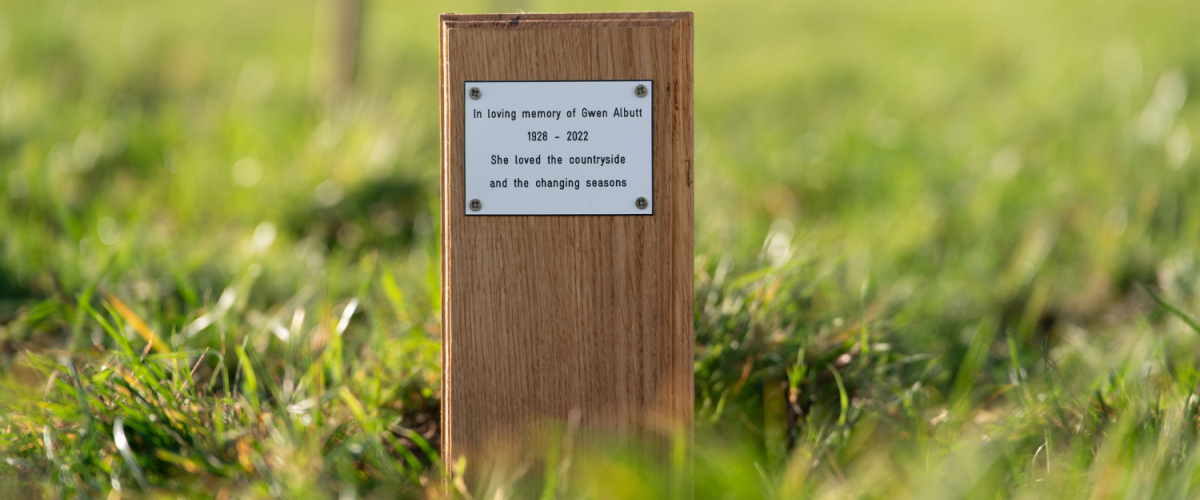
You'll enjoy a memorable tree planting day alongside a member of our forestry team, planting your own native broadleaf tree complete with a personalised dedication plaque.
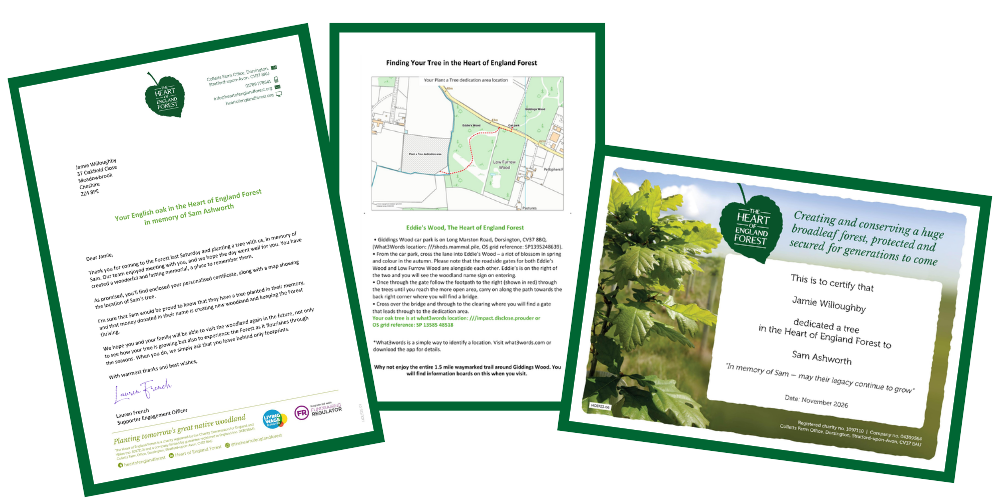
Your dedication also includes a personalised certificate and location map, so you can return to visit your tree as it grows and becomes part of a thriving new woodland.
Which tree species should I choose?
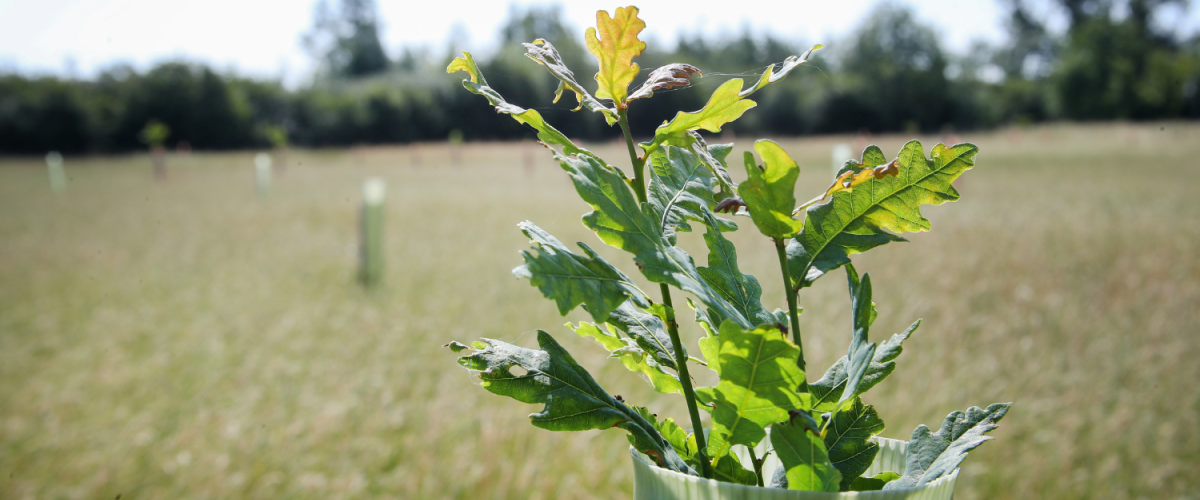
The tree species we offer are English oak, field maple, rowan, alder, hornbeam, wild pear, willow, silver birch, small-leaved lime, and bird cherry.
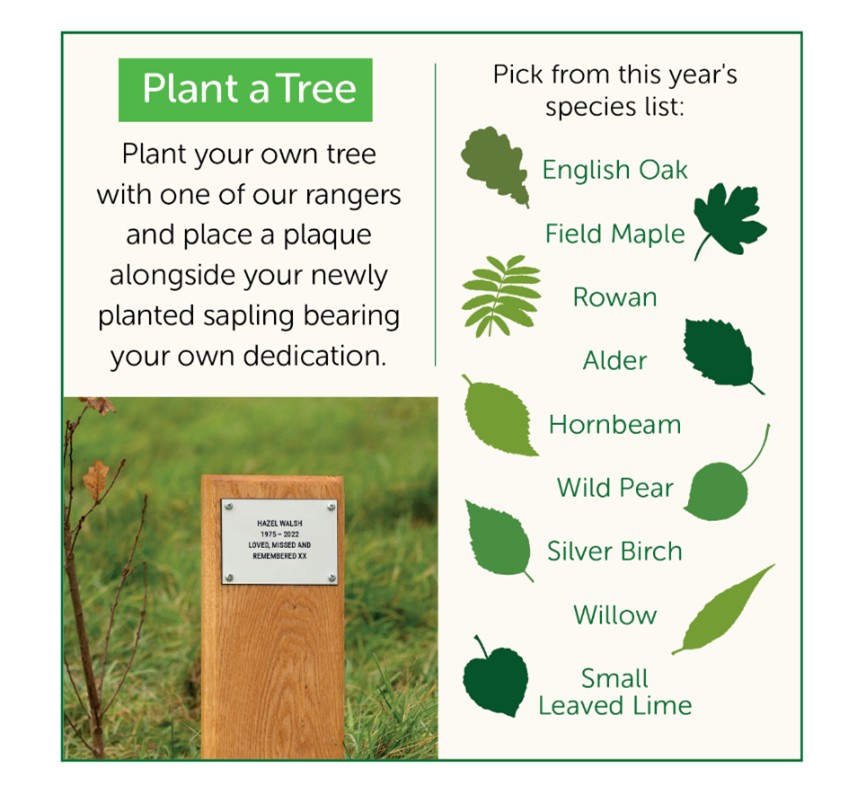
Trees are planted November to March when saplings are dormant to give them the best chance to thrive. Species are carefully selected to suit the soil, drainage, and growing conditions.
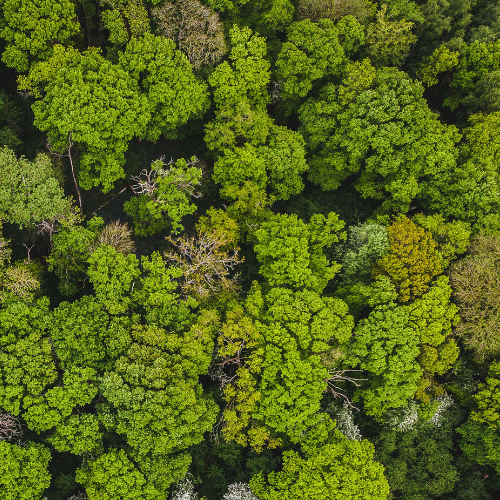
Oak and hornbeam form a strong foundation of planting across the Forest, alongside field maple and small-leaved lime which grow particularly well in this area. We include shrubs, and faster-growing “nurse” trees such as silver birch, which help protect and support younger trees as the woodland establishes. Water-loving species like willow and alder thrive in wetter areas of the Forest. All our trees provide homes for wildlife, whilst fruiting trees like rowan, wild pear, and bird cherry also provide valuable food.
Together, these trees create a healthy, resilient, and diverse Forest.
Find out more: Trees | Heart of England Forest
Where you’ll plant your tree
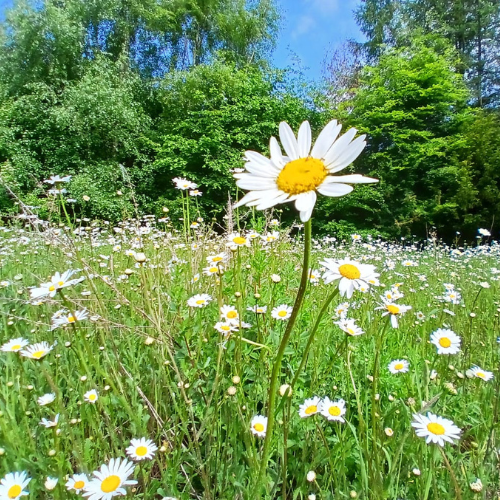
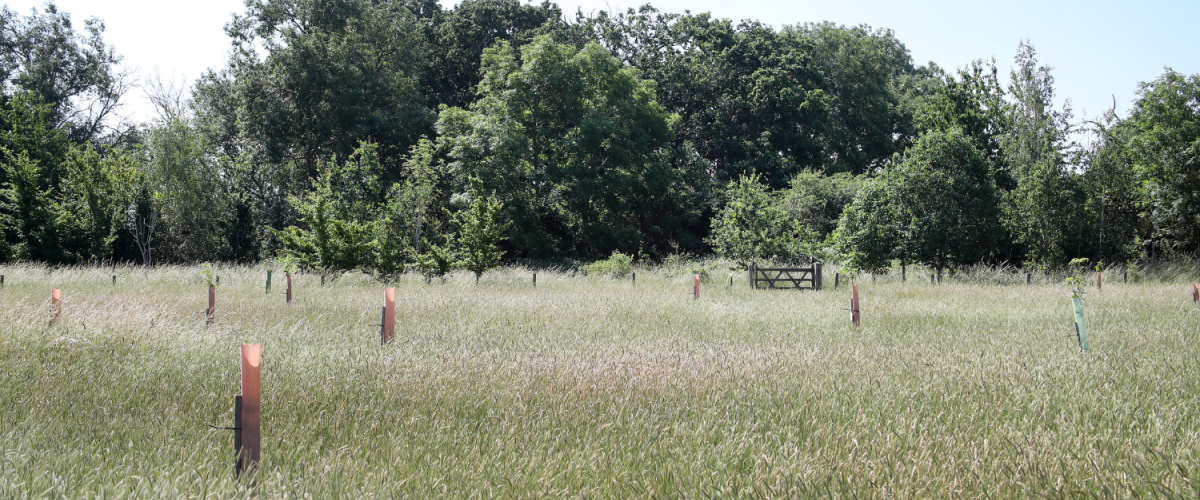
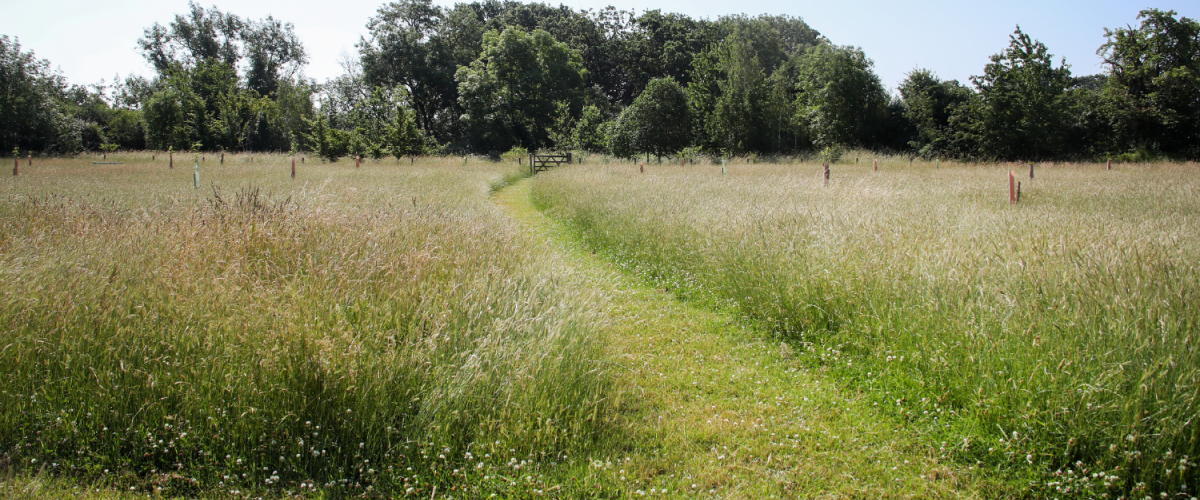
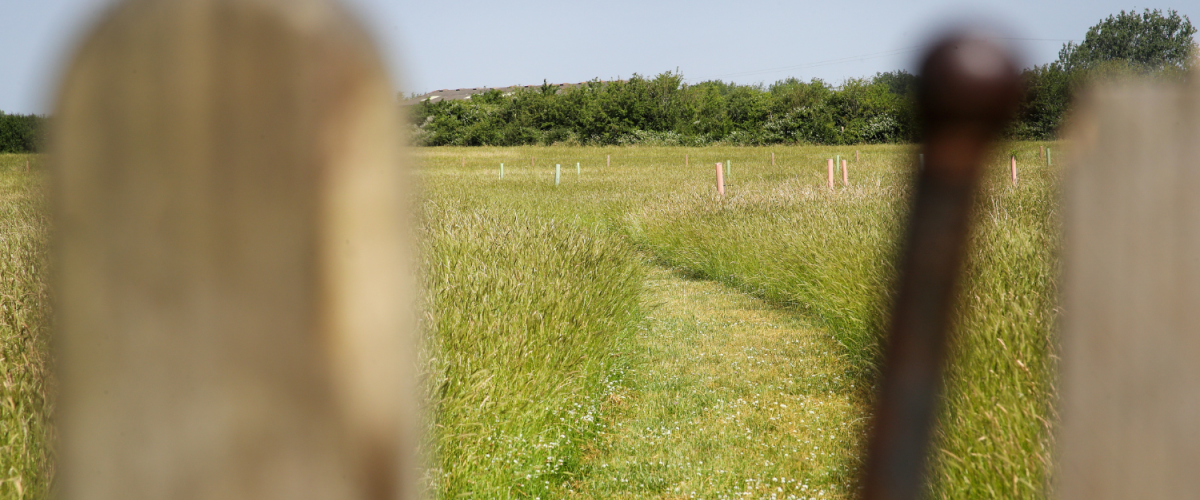
Nestled alongside a peaceful brook and surrounded by mature woodland, our dedication area at Eddie's Wood sits within a beautiful landscape that will continue to flourish and support wildlife for years to come. Every season brings something new to discover, making each visit unique.
Parking is available nearby at Gidding's Wood.
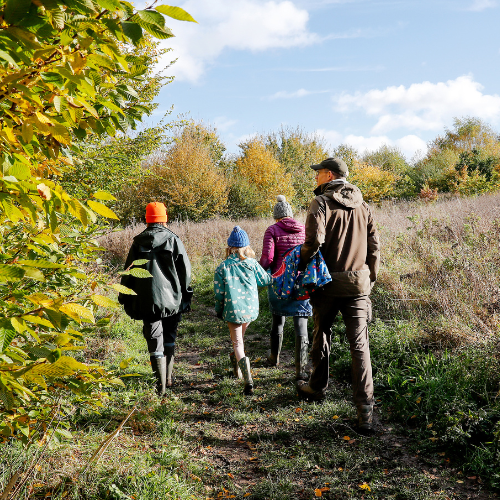
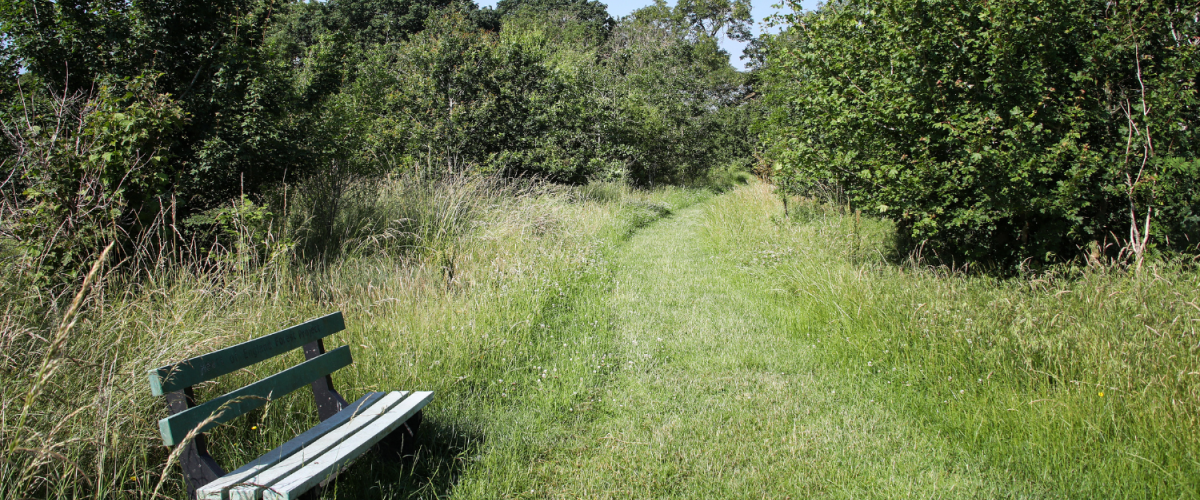
Our walking trails are well maintained, but they can become muddy in wetter weather, so sturdy footwear is recommended. The terrain is generally flat, although, as with any natural woodland, you may encounter some uneven ground.
What happens next?
Our team will email you to arrange your planting day. They’ll need to know from you:
- Your preferred date and time. Planting days: Friday and Saturday at 9:00am, 10:30am, or 12:00pm
- Your selected tree species
- Your plaque message (maximum 75 characters including spaces). Once confirmed, this will take three weeks to arrive with us
- The number of people attending on the day
- Any accessibility requirements your group may have
- The contact name and phone number for the primary contact
Nature first
The Forest is managed to support nature and the wildlife that depends on it.
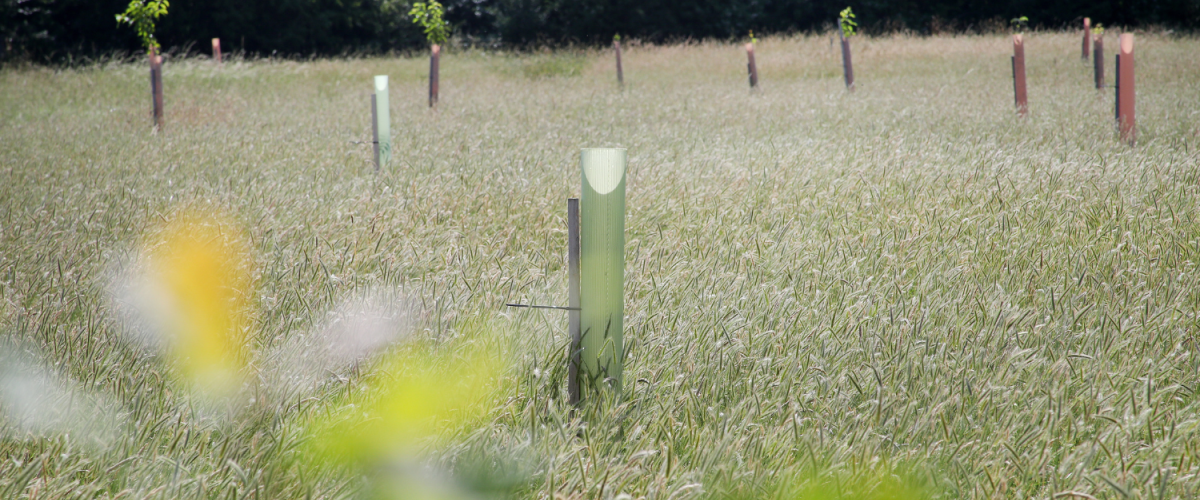
Patience is all part of watching your tree become established and flourish. Each tree grows at its own pace with oak taking it’s time and birch quicky shooting up. Some species also produce leaves later than others. Sometimes saplings cannot establish themselves. Rest assured, your tree will be checked annually. Any tree that’s not survived is recorded and replaced next planting season.
To protect the woodland's natural ecosystem, we do not allow the planting of flowers, seeds, or bulbs anywhere in the Forest. Additional planting can compete with young trees for water and nutrients, disturb developing root systems, and affect the balance of native plant species.
If you wish to leave a tribute, please leave only cut flowers and remove all packaging (securing them only with compostable twine).
Your tree through the seasons
Every tree changes dramatically through the year. Each season playing an vital role:
- Spring: Buds begin to open and fresh leaves emerge, marking the start of growing season. Depending on the species, your tree may eventually produce flowers or fruit.
- Summer: Leaves capture sunlight bringing steady growth and building strength. Young saplings might not seem to be developing, but each year become larger and more established.
- Autumn: Beautiful seasonal colours flush before leaves naturally fall to the ground, returning valuable nutrients to the woodland floor.
- Winter: A period of dormancy and conserving energy. Your tree may appear bare or inactive. This is part of its life cycle. Beneath the surface, the tree remains alive, its roots continuing to develop, preparing for new growth in spring.
If you have questions about dedicating a tree in the Forest, please read our FAQs
For anything else, please email Lauren at: lauren.french@heartofenglandforest.org
Plant your tree here