What is tree planting?
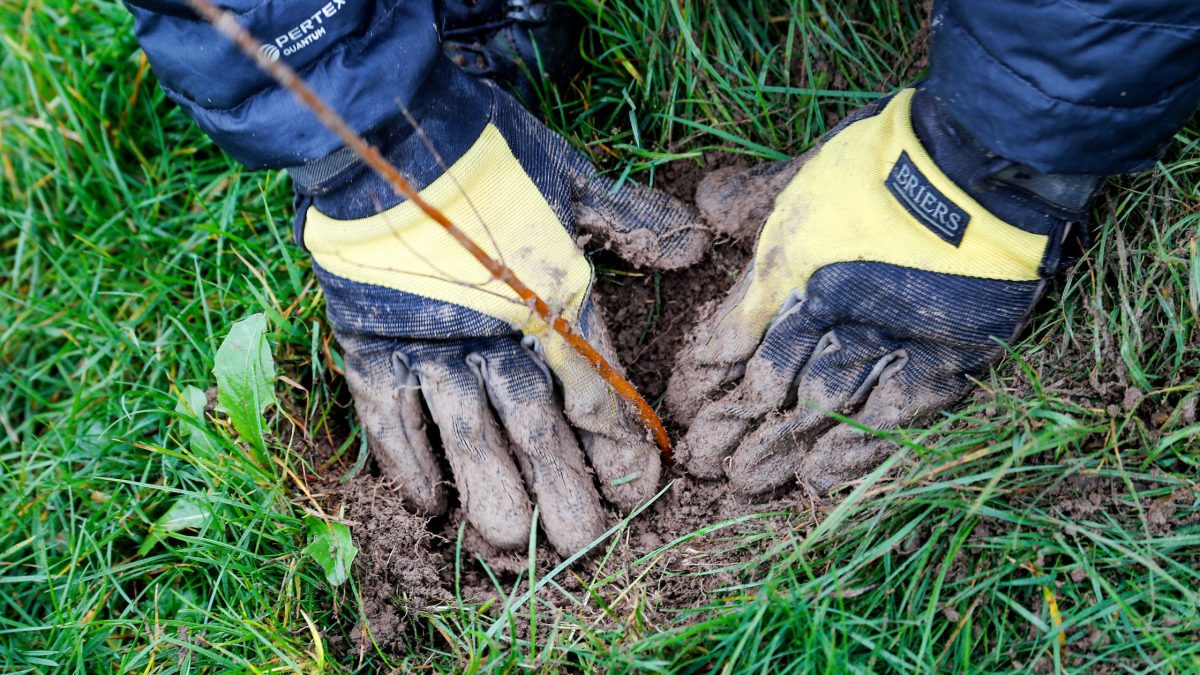
Tree planting is a vital activity to help combat climate change and contributes to the woodland and hedgerow habitats within the Heart of England Forest. Successful tree planting prioritises the right tree in the right place.
Below, you’ll find everything you need to know before signing up to volunteer for this activity - from when the activity takes place and what you can expect on the day to what it involves physically. You’ll also learn how your support directly contributes to our mission of creating and protecting a vast native Forest in the very heart of England.
Trees play a crucial role in mitigating climate change, supporting wildlife, and preventing flooding and erosion, as recognised in the UK Government's 25-Year Environment Plan. Every tree planted brings us closer to our ambitious vision of creating and protecting a broadleaf forest for generations to come.
What to expect on the day
Ahead of your visit
When registering for a planting activity you will receive information about the activity, location, site conditions, items you need to bring, and who to contact on the day.
Arrival and briefing
Arrive by 9.30am in the morning or 1.00pm for joining an afternoon session. You will meet the staff member leading the activity and other volunteers.
Tools and equipment
All necessary tools will be distributed, and the group will walk together to the work site. Some equipment will be taken to the work site by a staff member using a works vehicle. Equipment will include trees, wooden stakes/canes, tree guards, tree planting bags, spades, post drivers, and mallets.
Training and demonstration
Before starting, the staff member will provide a safety briefing and tool talk. The demonstration will cover:
-
The species of tree being planted, the difference between ‘cell-grown’ and ‘bare root’ saplings
-
Working safely around the site
-
Safe and effective use of tools and equipment
-
Method for putting in wooden stakes and canes
-
Method to plant a tree and install a protective tree guard.
Tree planting
Volunteers will begin planting alongside members of staff. Staff and Volunteer Leaders will guide the planting.
Breaks
Volunteers will be encouraged to take regular breaks through the session. Around 11am the group will pause for a coffee break. Tea, coffee, and biscuits are provided, but volunteers may bring additional refreshments. The break lasts 10-15 minutes.
The morning session ends around 12 - 12:30pm and the afternoon session runs from 1pm to 3:30 pm, with another coffee break at 2:30 pm.
For those staying all day, tables and chairs are provided for lunch, or alternatively you can eat lunch in your car.
We will provide toilets and shelter if we can, however this may not be possible at all sites.
Wrap-up
After the session, all tools and personal items are gathered, and the group walks back to the parking area.
Further information
Work site:
The distance to the work site varies, typically between a few minutes and up to a 15 minute walk from the parking area. Work sites are often uneven under foot, and may be slippery in wet conditions.
During wet weather where works vehicles cannot access the site, volunteers may need to transport spades and bags of saplings to the work site by hand, or using a small trolley.
Activity requirements:
Tree planting involves tasks of varying intensity, from digging holes and hammering stakes to sorting saplings and placing tree guards.
The activity is repetitive and can be physically demanding, particularly in cold and wet weather. Shelter may not be available at the work site. Despite the challenges, tree planting is highly rewarding.
Hand tool use:
Volunteers use basic tools such as spades, mallets and post drivers. Some equipment may be heavy or cumbersome, volunteers will only use equipment they feel comfortable to use.
Personal Protective Equipment
Gloves, thermal or waterproof gloves are recommended, and safety boots or wellies with a reinforced toecap and sole are required for this activity. Basic gloves and pairs of safety boots can be borrowed by volunteers who do not own any.